
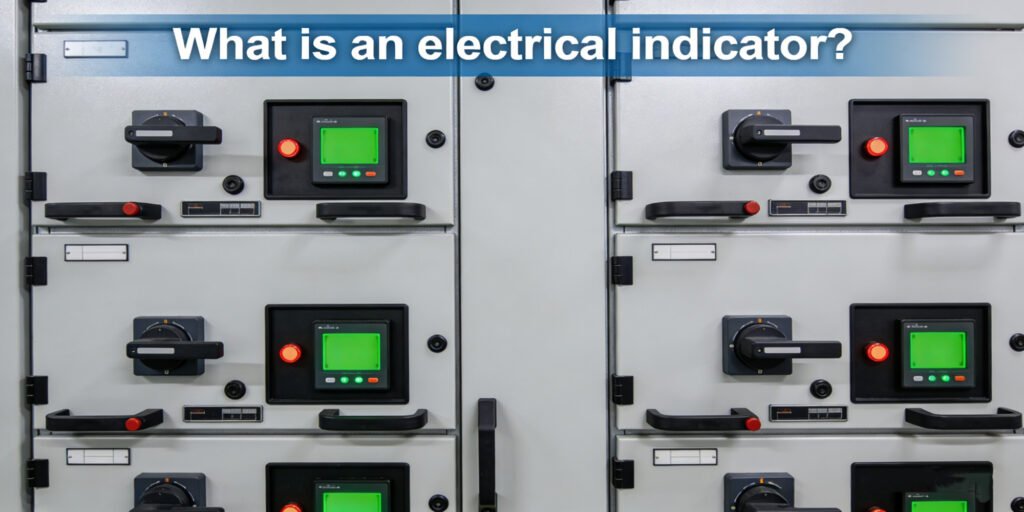
In medium- and high-voltage electrical systems, an electrical indicator is a critical safety and monitoring device that provides real-time visibility into the presence or absence of voltage, as well as the operational status of key equipment. For engineers, technicians, and facility managers, these compact, robust components are indispensable for preventing electrical hazards, verifying system conditions, and ensuring compliance with global safety standards such as IEC and ANSI.
Core Functions of Electrical Indicators
1. Voltage Presence Detection: They confirm whether a circuit is energized, helping personnel avoid accidental contact with live parts during maintenance, inspection, or repair. This is especially vital in switchgear, distribution panels, and high-voltage substations where direct voltage measurement is impractical or dangerous.
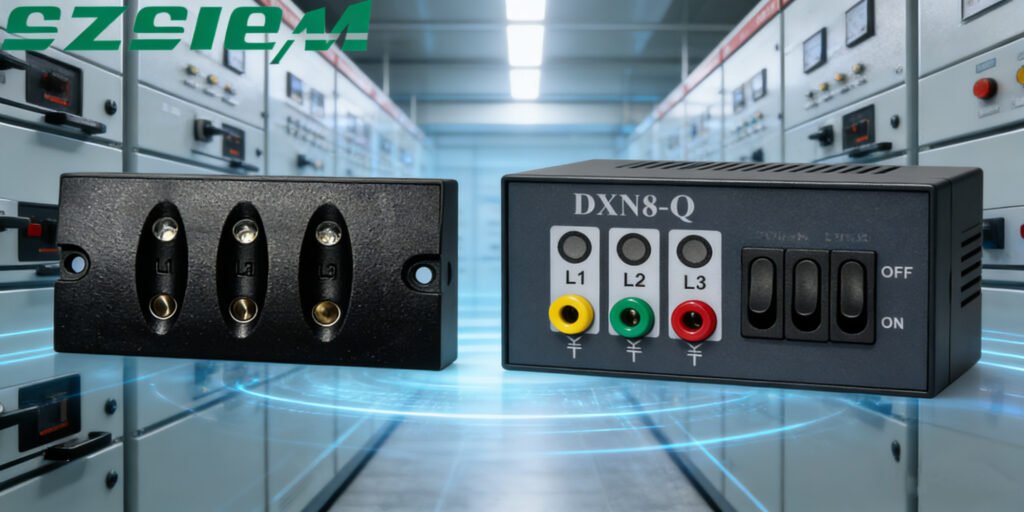
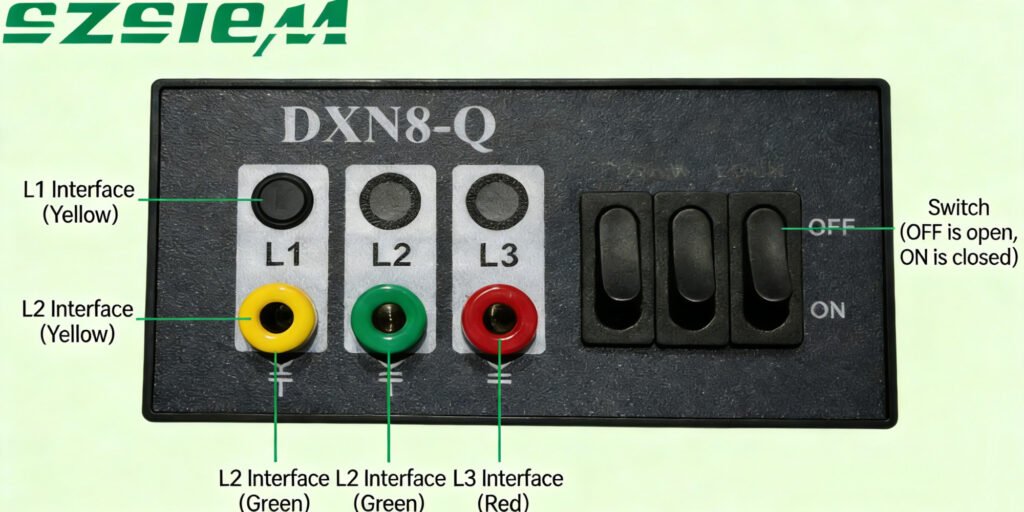
2. Status Monitoring: Many modern indicators, like the DXN8-Q series, integrate additional features such as lockout status and phase identification (L1, L2, L3), enabling operators to quickly assess system configuration and ensure proper grounding or isolation.
Key Types and Design Features
Electrical indicators come in various form factors tailored to different applications:
1. LED-based Indicators: Compact, low-power, and highly visible, these use bright LEDs to signal voltage presence. Models like the three-channel indicator (L1, L2, L3) are ideal for panel-mounted installations in industrial control cabinets, offering instant visual feedback on phase status.
2. Switch-integrated Indicators: Devices such as the DXN8-Q combine voltage detection with lockout switches, allowing operators to toggle between “ON” and “OFF” states while monitoring power flow. This integration streamlines control panel design and reduces the need for separate components.
Both types prioritize durability, with rugged, dust- and moisture-resistant casings that withstand harsh industrial environments, from manufacturing facilities to outdoor substations.
Why Quality Matters for Electrical Indicators
Choosing a reliable electrical indicator is non-negotiable for safety and operational efficiency. High-quality models offer:
1. Compliance with global standards: Certification to IEC, ANSI, and local regulations ensures performance in diverse markets.
2. Long-term reliability: Robust construction and low maintenance requirements minimize replacement costs and unplanned downtime.
3. Clear, intuitive design: Large, high-contrast displays and color-coded terminals (yellow, green, red for L1, L2, L3) reduce human error during operation.
At Xizi Energy, our IEC-compliant live voltage indicators (including DXN8-Q) deliver real-time voltage detection and phase status monitoring (L1, L2, L3) for medium/high-voltage systems. Rugged, reliable, and ideal for industrial grids, renewable energy facilities, and substations—protect your team and streamline maintenance with Xizi Energy’s safety solutions.
Professional Medium & High Voltage Electrical Equipment Manufacturer