
Schneider SM6 Switchgear Maintenance: Inspection Checklist, Troubleshooting and Spare Parts Guide
Schneider SM6 air insulated switchgear is a mainstream solution for power utilities, industrial facilities, commercial complexes and renewable energy power stations. Its compact modular structure, 30-year design life and full IEC compliance have made it a go-to medium-voltage distribution platform. Even so, its long-term operational stability and service life heavily rely on standardized, regular preventive maintenance.
This practical guide summarizes field-tested maintenance protocols for Schneider SM6 switchgear, highlights key inspection components, explains common on-site faults, and shares actionable troubleshooting methods to help maintenance teams eliminate potential hazards before they escalate into costly equipment failures or power outages.
What Is Practical Switchgear Preventive Maintenance?
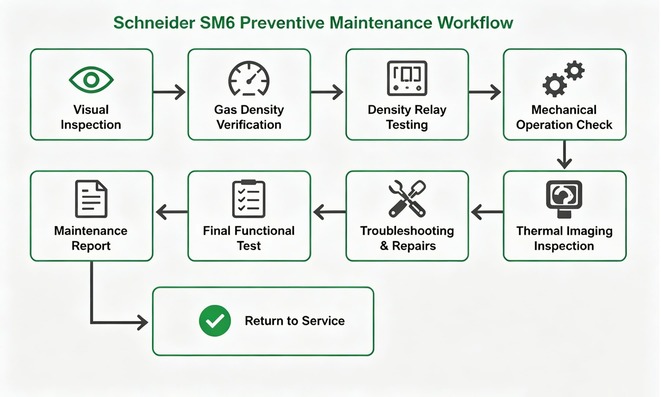
Switchgear maintenance is not just a regular formality—it is a targeted preventive measure to capture minor defects and hidden risks early. A complete maintenance workflow covers on-site inspection, equipment cleaning, performance testing, parameter adjustment and aging component replacement.
The core goal is simple: sustain safe, stable switchgear operation and avoid sudden system shutdowns. For Schneider SM6 switchgear, preventive maintenance is far more cost-effective than emergency breakdown repairs. Calibration drift of SF6 density relays, loose wiring connections and minor seal damage may seem trivial initially, but these small issues will trigger false alarms, equipment overheating and even insulation failures if left unaddressed.
Why Regular SM6 Maintenance Is Indispensable
Schneider SM6 switchgear is engineered with long maintenance cycles and high durability, but its actual service condition varies greatly by operating environment. Units deployed in humid, dusty, or heavily polluted industrial sites, as well as equipment with frequent switching operations, age much faster than those running in standard indoor environments.
In daily operation, maintenance personnel often encounter typical faults including frequent SF6 low-pressure alarms, inaccurate density readings, sluggish mechanical operation and degraded electrical connections. If you suspect persistent gas loss behind recurring low-pressure alerts, refer to our comprehensive guide SF6 Gas Leakage in Switchgear: Root Causes, Alarm Indications & Field Detection to systematically locate hidden leak points.
A standardized preventive maintenance plan is therefore the most reliable way to stabilize SM6 switchgear performance and extend its overall service life.
Schneider SM6 Switchgear Maintenance Checklist (Field-Applied)
A scientific SM6 maintenance system combines regular visual inspections, periodic functional tests and comprehensive overhauls, with tiered cycles matching equipment operating frequency and on-site conditions.
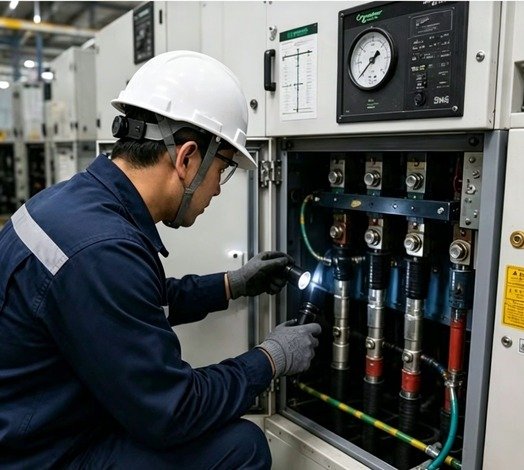
Annual Visual Inspection (Basic Routine Check)
The annual visual inspection is the most fundamental yet critical maintenance step. Engineers need to conduct a full exterior and structural check of the switchgear, focusing on surface corrosion, seal damage, moisture ingress, loose grounding connections and abnormal SF6 density readings. When abnormal density values appear during inspection, confirm which spare parts need stock preparation according to the SM6 vulnerable parts inventory & replacement standard.
Even subtle changes in equipment status can indicate internal potential faults. Meanwhile, sort out historical operation and maintenance records to track recurring alarms and abnormal operating trends, providing a basis for subsequent detailed testing.
Functional Testing Every 3–5 Years (Performance Verification)
Visual checks cannot identify hidden internal defects. Periodic functional testing is required to verify that all core components operate within factory specifications. Key test items include circuit breaker switching performance, protection relay accuracy, auxiliary circuit integrity and mechanical interlock reliability.
For key equipment with frequent switching actions or zero-outage requirements, shortening the test cycle appropriately is recommended to ensure operational safety.
Major Overhaul Every 5–10 Years (Full Deep Maintenance)
With long-term operation, SM6 switchgear requires comprehensive deep maintenance. The overhaul covers insulation resistance testing, SF6 density relay recalibration, gas pressure verification, lubrication of all moving mechanical parts and replacement of aging accessories.
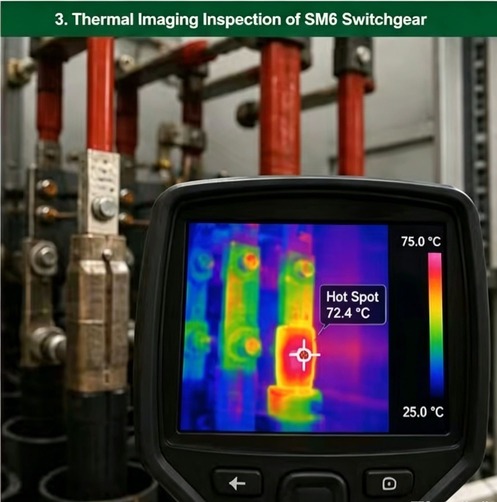
Thermal imaging detection is also a must for major overhauls. It can effectively identify loose wiring contacts and potential overheating hotspots that are invisible to the naked eye, preventing electrical faults in advance.
Key Components Requiring Focused Inspection
Different switchgear components have varying aging rates. Based on field maintenance experience, the following parts are most prone to failure and need priority inspection during routine checks.
SF6 Density Relay
The SF6 density relay is the core monitoring component of SM6 switchgear, and it is always the first part to troubleshoot gas-related alarms. It tracks real-time SF6 gas density and triggers alarm or lockout signals once values drop below the preset safety threshold.
After years of operation, internal component aging and calibration drift will cause inaccurate judgment. During inspection, do not blindly attribute all low-density alarms to gas leakage—always verify the relay’s calibration status and switching accuracy first.
SF6 Density Gauge
The density gauge provides intuitive real-time gas status data for on-site staff. Common on-site defects include internal condensation, unstable pointer jitter and blurred scale markings. These minor issues can lead to reading errors, misjudgment of gas status and improper maintenance operations. The same set of gas monitoring failure symptoms also widely appears in Schneider RM6 MV ring main units deployed in urban underground cable networks.
Circuit Breaker Operating Mechanism
Circuit breakers may stay idle for a long time but must respond instantly during faults. Therefore, the spring charging condition, switching speed, mechanical lubrication and wear degree need regular inspection. Any sluggish switching or delayed action indicates potential mechanical failure and requires timely troubleshooting.
Busbars and Power Connections
Loose electrical connections are the leading cause of overheating faults in medium-voltage switchgear. Regular torque testing and thermal imaging scanning of busbars and wiring terminals can effectively eliminate hidden dangers of poor contact, avoiding insulation burnout and equipment failure caused by long-term overheating.
Common SM6 Switchgear Faults & Troubleshooting
Even with standardized maintenance, occasional abnormal alarms and operational faults may occur. Accurate root cause judgment is the premise of effective on-site resolution.
Low SF6 Gas Alarm
A low gas alarm does not equal actual SF6 gas leakage. In most field cases, the fault stems from density relay calibration drift, aging microswitches or failed temperature compensation functions.
Before refilling SF6 gas, always use professional testing equipment to verify the actual gas density and pressure. This avoids unnecessary gas handling work and reduces redundant maintenance costs.
Frequent False Density Alarms
False alarms are a common aging fault of old SM6 switchgear. Long-term operation leads to internal component wear, calibration deviation and sensitivity changes of the density relay, while extreme ambient temperature changes will also interfere with monitoring accuracy. Regular calibration and testing can effectively solve this problem and avoid normal operation disturbance.
Circuit Breaker Switching Failure
Most breaker operation failures are not caused by the breaker body, but by auxiliary mechanism faults. Common root causes include mechanical jamming, spring charging failure, abnormal auxiliary power supply and worn contact accessories. Targeted inspection of the control loop and operating mechanism can quickly locate the fault point.
On-Site Maintenance Case Studies
Case 1: Resolution of Repeated False Low-Gas Alarms
An 11kV industrial substation’s SM6 feeder panel continuously triggered low SF6 gas alarms during routine inspection. The maintenance team initially suspected gas leakage, but repeated pressure and density tests showed all gas parameters were within the standard range with no leakage detected.
Further professional testing confirmed the density relay’s switching threshold had serious calibration drift. After replacing the aging relay, the false alarms disappeared completely. The problem was solved without gas refilling, eliminating unnecessary maintenance workload and avoiding production downtime.
Case 2: Elimination of Hidden Overheating Risk
During the thermal imaging inspection of a manufacturing plant’s decade-old SM6 switchgear, staff detected abnormal temperature rise in the cable termination compartment. Close inspection found long-term loose busbar connections causing gradual overheating.
The team fixed the connection tightness during planned outage, completely eliminating the hidden risk of insulation damage and unplanned power failure, ensuring the long-term stable operation of the switchgear.
Commonly Replaced SM6 Spare Parts
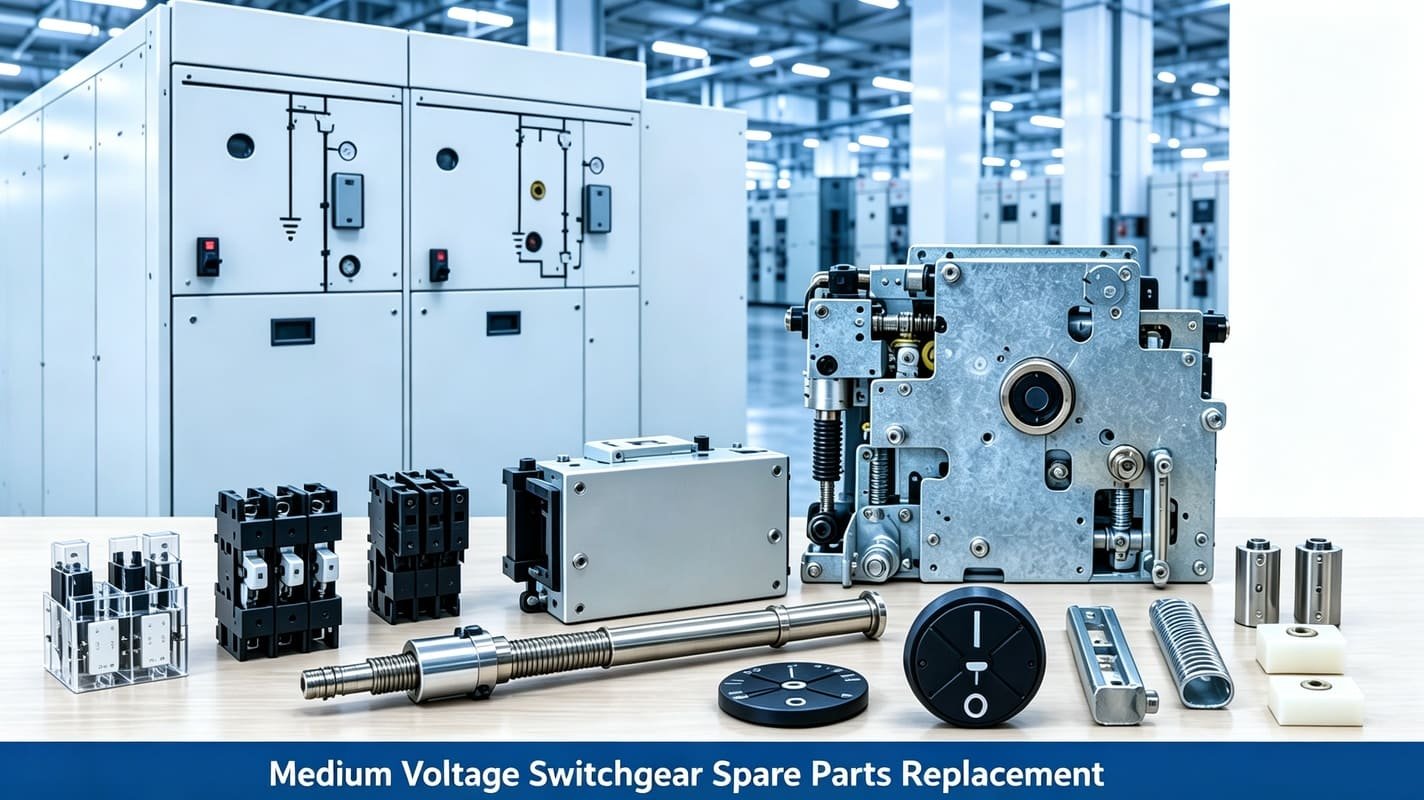
The SM6 switchgear cabinet body has a long service life, but core monitoring and mechanical accessories are prone to aging and wear, requiring regular replacement. The most frequently replaced spare parts in daily maintenance are as follows:
SF6 Density Relays
Failed due to calibration drift, aging internal bellows and inaccurate switching signals; the most critical consumable for gas monitoring.
SF6 Density Gauges
Replaced when pointer jitter, blurred scales and internal condensation cause unreliable visual readings.
Microswitches & Auxiliary Contacts
Frequent switching operation leads to mechanical wear and poor contact, affecting alarm signal transmission and loop control.
Operating Mechanism Components
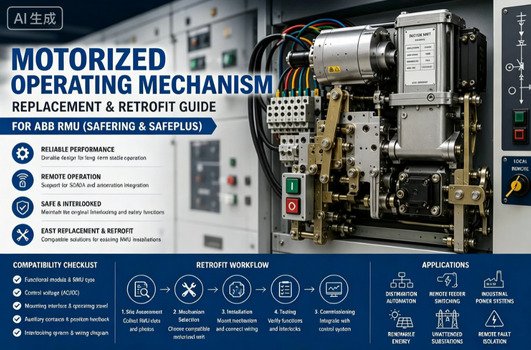
Springs, latches and linkage assemblies will fatigue and wear after long-term use, resulting in sluggish mechanical operation. Reserving these key spare parts on-site can greatly shorten fault handling time and reduce equipment outage losses.
Proven Best Practices for SM6 Preventive Maintenance
High-quality SM6 maintenance focuses on long-term consistency rather than complex operations. Based on years of field experience, standardized maintenance records, regular thermal imaging detection, periodic density relay calibration and proactive replacement of aging accessories are the core of fault prevention.
Meanwhile, follow Schneider’s official maintenance guidelines strictly, and flexibly adjust inspection and overhaul cycles according to the on-site environment, switching frequency and equipment operating years to form a customized maintenance mechanism suitable for the project.
Frequently Asked Questions
How often should Schneider SM6 switchgear be inspected?
Conduct a full visual inspection once a year and complete functional performance testing every 3 to 5 years. For equipment in harsh environments or with frequent switching, appropriately shorten the maintenance cycle based on actual operating conditions.
What triggers low gas alarms on SM6 switchgear?
Alarms are not only caused by SF6 gas leakage, but also by density relay calibration drift, faulty microswitches and abnormal temperature compensation functions.
Can SF6 density relays produce false alarms?
Yes. Component aging and long-term calibration deviation are the main causes of false alarms for aging SM6 switchgear relays, which can be completely solved by regular testing and recalibration.
What are the most common replacement parts for SM6 maintenance?
Density relays, density gauges, microswitches, auxiliary contacts and operating mechanism accessories are the most frequently replaced consumable parts.
What is the service life of Schneider SM6 switchgear?
With standardized preventive maintenance, SM6 switchgear can operate stably for more than 25 years, maintaining reliable power distribution performance.
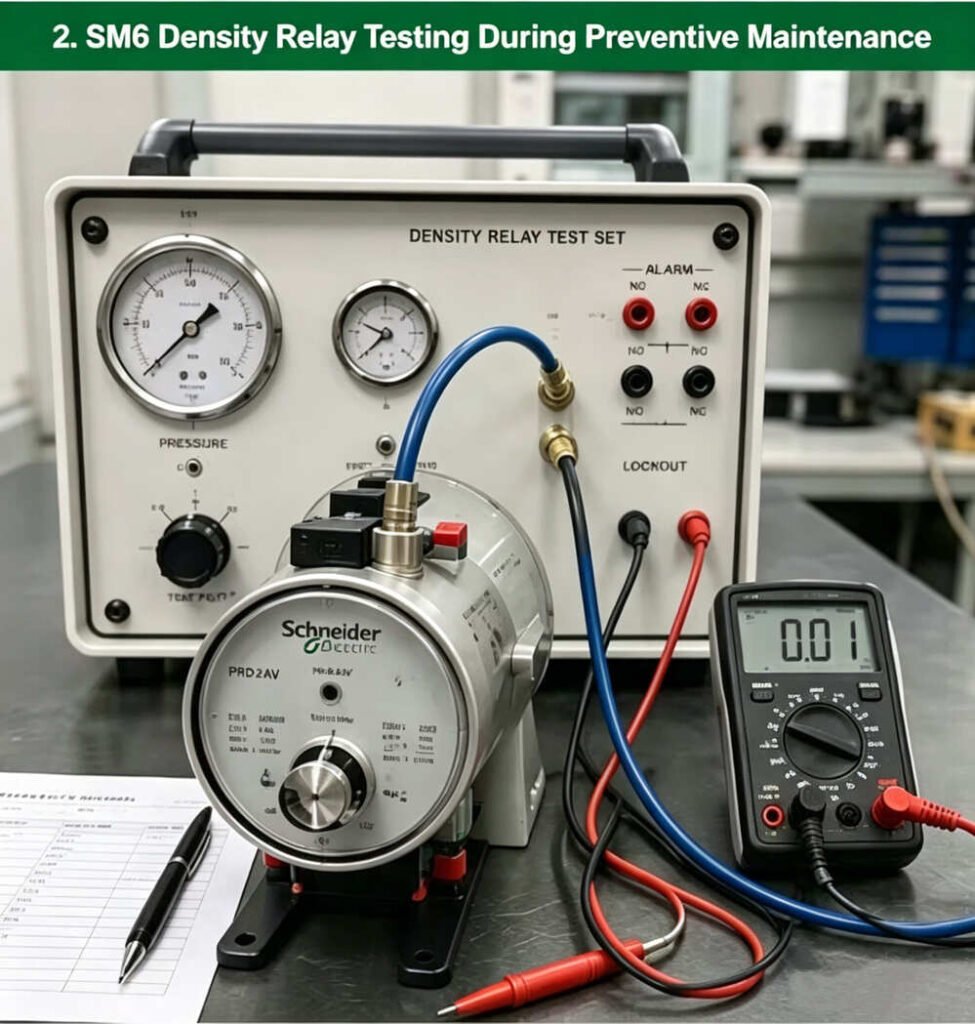
How do you test a Schneider SM6 density relay?
A Schneider SM6 density relay is typically tested using a calibratedpressure test device. The technician gradually simulates pressurechanges and verifies whether the alarm and lockout contacts operate atthe specified switching points. Periodic testing helps identify calibrationdrift before false alarms occur.
What is the most common cause of false low-gas alarmsin SM6 switchgear?
In many aging installations, false alarms are caused by density relaycalibration drift rather than actual SF6 leakage. Temperaturecompensation issues, worn microswitches, and aging bellows can alsocontribute to inaccurate alarm signals.
Should density relays be replaced or recalibrated?
If the relay remains mechanically sound, recalibration may restore properperformance. However, for older relays showing repeated calibrationdrift or switching instability, replacement is often the more reliable long-term solution.
Conclusion
Qualified Schneider SM6 switchgear maintenance is not a rigid checklist execution, but a proactive management process that accurately identifies equipment aging characteristics and eliminates hidden risks in advance. Adhering to regular visual inspections, density relay calibration, thermal imaging detection and timely replacement of aging accessories can significantly improve switchgear operational reliability and reduce full-life-cycle maintenance costs.
For operation and maintenance teams managing aging SM6 equipment, scientific preventive maintenance is always the most cost-effective and reliable guarantee for long-term stable system operation.
Need Compatible Spare Parts for Schneider SM6 Switchgear?
We supply fully compatible SF6 density relays, density gauges, microswitches, auxiliary contacts and other switchgear accessories for Schneider SM6 series equipment. Feel free to contact our technical team for professional product matching and quotation services.
Professional Medium & High Voltage Electrical Equipment Manufacturer