
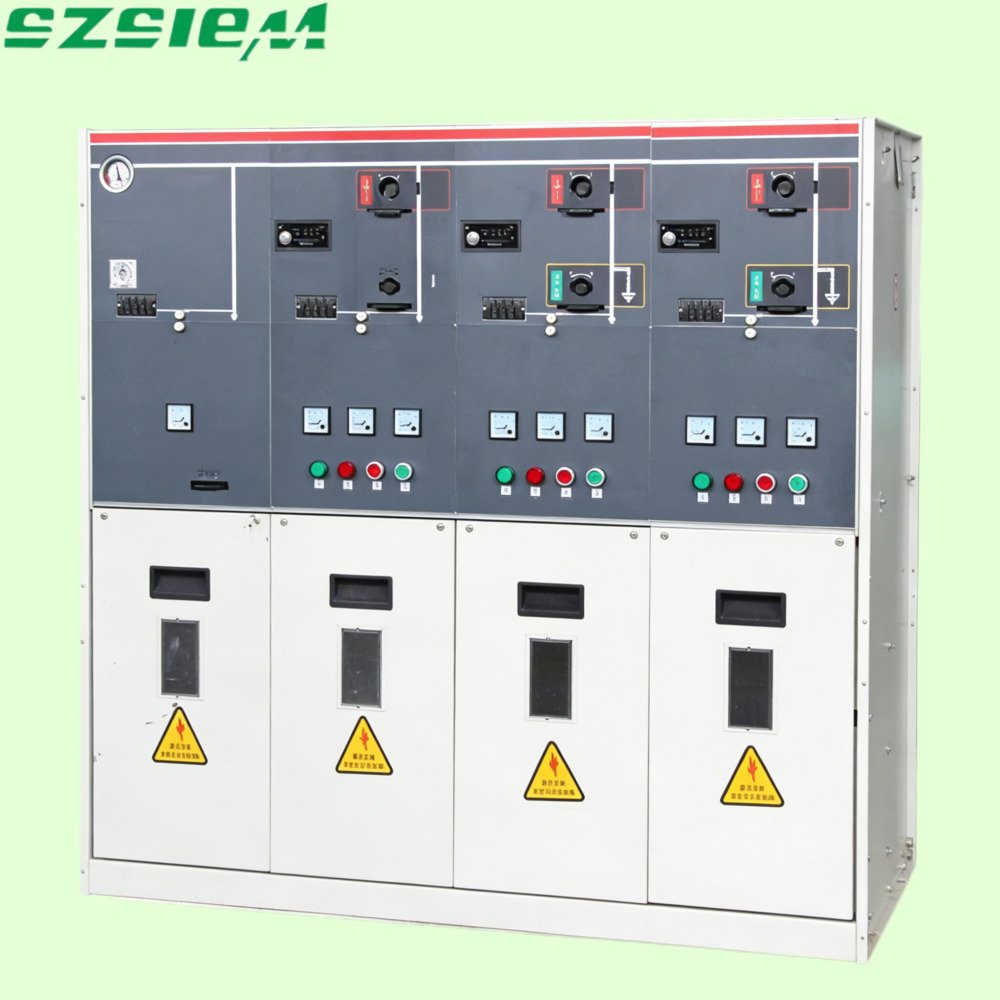
In medium voltage power distribution systems, gas-insulated switchgear (GIS) and ring main units (RMU) are basic devices. They keep power supply safe and stable, but they are made for different work needs. Many new RMUs use GIS parts, yet the two products have big differences in overall structure, working ability and usage places.
If you are an electrical worker, project designer or power equipment buyer, you need to know the main differences between GIS and RMU. This helps you pick the right MV switchgear for your power distribution projects. To learn more about basic MV switchgear types and solutions, you can visit our official guide: https://xizienergy.com/what-is-an-mv-switchgear/. This article shows their clear gaps in basic structure, main parts, working performance and common usage areas, following general rules in the power industry.
Core Design & Classification Differences
The fundamental divide between GIS and RMU lies in their classification logic and core design intent—one defined by insulation technology, the other by application topology.
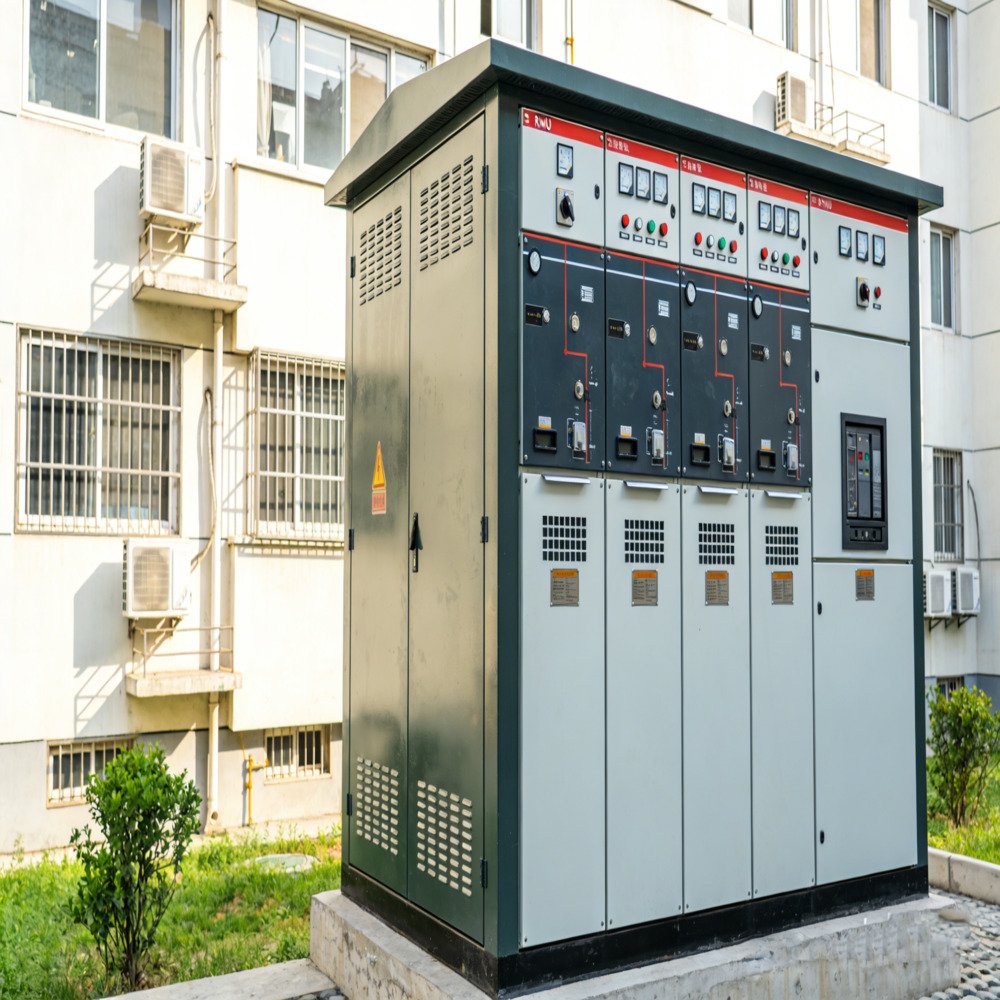
1. Ring Main Unit (RMU): Classified by its application for ring network power supply topologies, it is a dedicated secondary distribution equipment built for closed-loop power lines. RMUs feature a modular, steel-plate enclosed structure with standardized components, prioritizing simplicity, easy assembly, and cost-effectiveness for low-to-medium load distribution.
2. Gas-Insulated Switchgear (GIS): Classified by its insulation technology, it uses SF6 (or eco-friendly alternative) gas as the primary insulating and arc-quenching medium. As a next-generation MV switchgear, it is versatile for both primary and secondary distribution, with a compact, gas-sealed structure that eliminates external environmental interference. It integrates advanced mechanisms (permanent magnet/spring-operated circuit breakers) for precise, flexible operation.
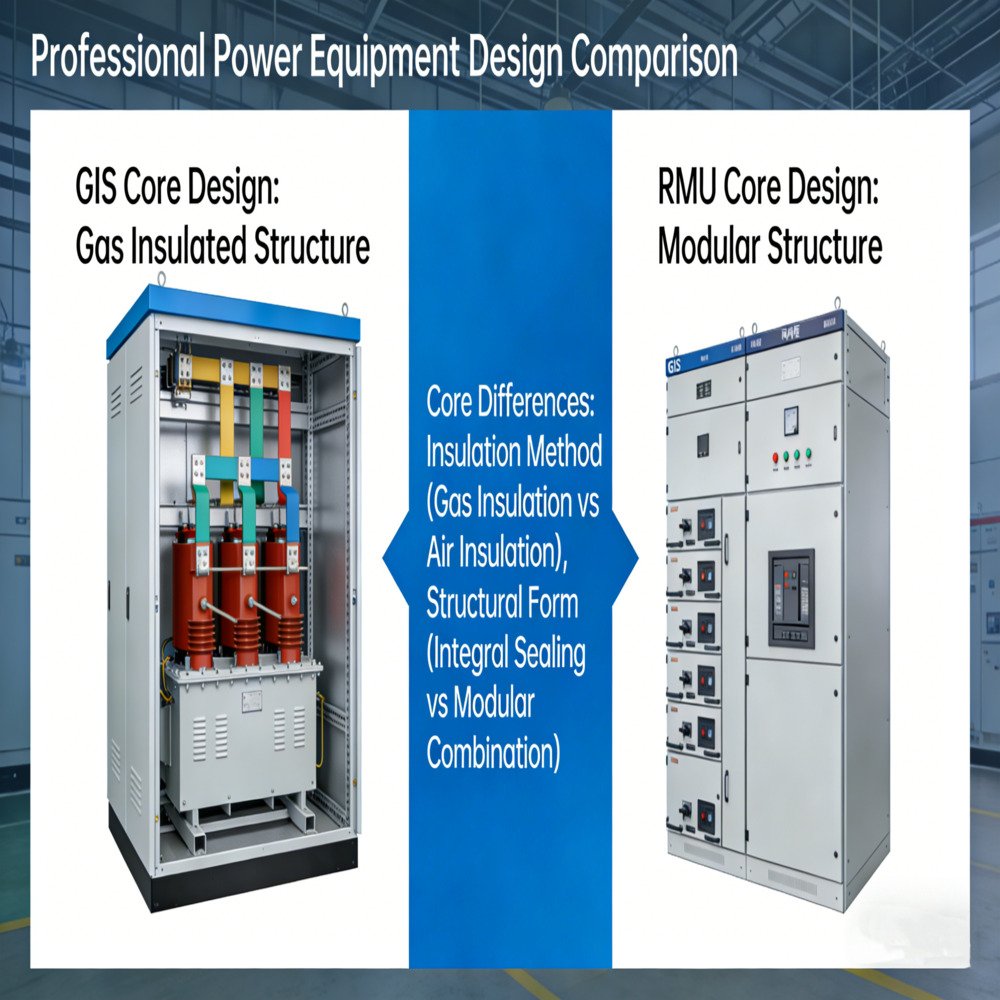
A key overlap: Many modern RMUs leverage internal GIS technology, blending the ring network efficiency of RMU with the compact insulation performance of GIS—creating a hybrid solution for urban distribution needs.
Core Components & Operational Performance
1. RMU Performance: Optimized for low-to-medium loads, RMUs have a rated current capped at 630A. Their protection relies on a load switch-fuse combination: load switches manage normal current operation, while fuses interrupt short-circuit currents—a cost-effective alternative to traditional circuit breakers for non-critical distribution loops. They also integrate standardized earthing switches, instrument transformers, and secondary control modules for easy customization.
2. GIS Performance: Built for high-demand power systems, GIS offers two transformer protection options: the load switch-fuse combination and circuit breakers with relay protection for advanced, automatic fault detection and tripping. It handles higher voltages/currents with superior arc resistance and moisture protection, and supports integrated remote control and monitoring units—a key feature for smart grid compatibility and real-time system oversight, which basic RMU configurations lack.
Key Application Scenario Distinctions
GIS and RMU each excel in specific MV distribution environments, with their performance strengths aligning with unique project requirements (space, load, reliability, topology).
RMU Primary Applications
RMU’s greatest advantage is enhanced power supply reliability in ring network topologies: each distribution loop draws power from two directions, enabling automatic power transfer if one main line fails—achieving dual-power supply efficiency with a single feed source. This makes it the ideal choice for:
- Urban load centers (residential neighborhoods, high-rise buildings, small-to-medium office complexes)
- Light industrial facilities and American-style kiosk substations
- Decentralized distribution points with limited space and budget constraints
GIS Primary Applications
GIS is the go-to solution for high-performance, space-constrained, or smart grid-enabled MV distribution projects. Its compact gas-insulated design and advanced functionality make it suitable for:
- 10kV high-voltage grid reception and distribution, and distribution switch stations
- Traction power supply systems (railway junctions, marshalling yards, electric locomotive depots)
- Large-section double-track AT traction networks (as auxiliary section posts to minimize outage scope)
- Dense urban substations and heavy industrial plants with strict space and performance requirements
Cost & Lifecycle Value Comparison
When choosing between GIS and RMU, the last thing to think about is initial cost and long-term use value. You need to match your project budget with daily work needs:
1.RMU costs less at the start. It uses standard parts and a simple build, so it is cheaper to make and set up. It works well for small and medium power load projects. It fits basic ring power networks and sites that do not need future upgrades.
2. GIS needs more money to buy at first. It uses special gas insulation, accurate parts and smart check systems. Even so, it brings better long-term benefits. It needs less upkeep, lasts longer, and works well for heavy power use and smart power grids. For projects that need upgrades and strong performance, the long-term savings of GIS can make up for its higher early cost.
Key Takeaways: GIS vs RMU
GIS and RMU are complementary, not interchangeable, MV switchgear solutions:
1. RMU is a ring network-specialized secondary distribution tool—optimized for cost, simplicity, and dual-directional power flow in urban/light industrial settings.
2. GIS is a multi-use and high-quality power switch device. It uses gas for insulation. It works for main and secondary power supply lines, and fits power systems with heavy load, limited space or smart grid functions. For a full introduction to GIS, you can refer to: https://xizienergy.com/what-is-gas-insulated-switchgear/.
GIS tech can make new RMUs work better. But to pick the right one, you need to check your project’s power load, power line structure, available space and future upgrade plans.If you match these needs with the strong points of GIS and RMU, you can build a medium voltage power supply system that is safe, easy to run and low in total cost.
If you need professional advice on gas-insulated switchgear, ring main units, or customized MV power distribution solutions, explore our full product range and technical resources on our website.
Professional Medium & High Voltage Electrical Equipment Manufacturer