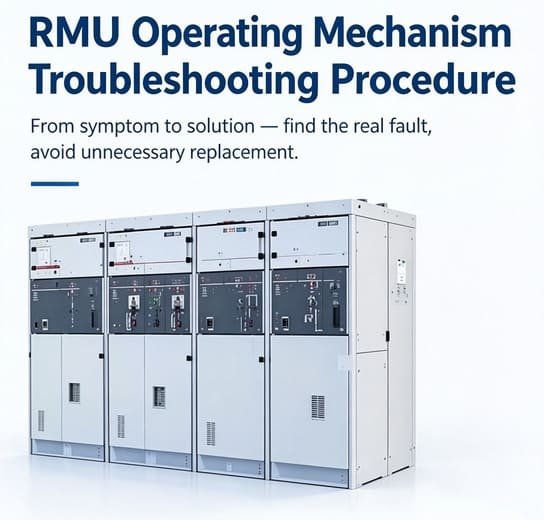

In power system operation and maintenance, the reliable performance of SF6 load switches and indoor high‑voltage earthing switches directly determines power supply safety, personnel protection, and maintenance efficiency. Long‑term operation often leads to mechanical, sealing, or contact faults. Timely troubleshooting and preventive maintenance can avoid fault escalation, reduce unplanned downtime, and lower long‑term operational costs.
This guide covers common failures, root causes, step‑by‑step fixes, and routine maintenance for both device types, based on Xizi Energy’s 13+ years of on‑site service experience in medium‑ and high‑voltage power distribution systems.
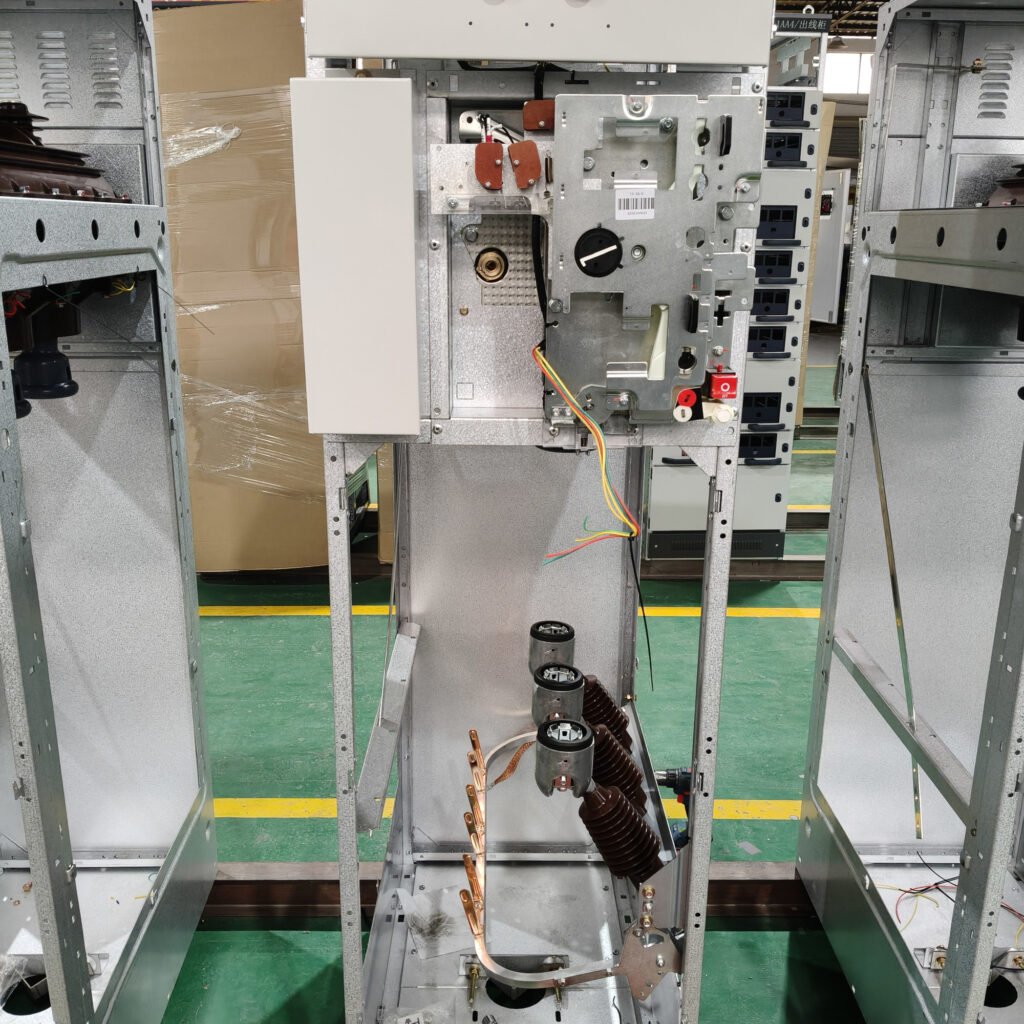
I. Common Failures and Solutions for SF6 Load Switches
SF6 load switches rely on sulfur hexafluoride gas for insulation and arc extinction. Common issues include mechanical jamming, incomplete switching, arc chamber anomalies, and gas leakage.
1.1 Difficulty Closing
Typical symptoms: Resistance during operation, incomplete closing, or failure to latch.
Main causes:
- Operating mechanism stuck due to lack of lubrication or dirt buildup
- Deformed linkage rods or bent transmission parts
- Oxidized or burnt contact surfaces
Field solutions:
- Confirm complete de‑energization and safety grounding before maintenance.
- Disassemble, clean, and lubricate the operating mechanism with high‑temperature grease.
- Straighten deformed linkages or replace damaged components.
- Polish oxidized contacts with fine abrasive paper to restore smooth, tight contact.
1.2 Incomplete Opening
Risks: May cause short circuits, overloads, or abnormal arcing.
Main causes:
- Weak or fatigued opening springs
- Corroded or seized moving parts
- Obstructions in the transmission path
Field solutions:
- Inspect spring tension; replace springs that fail force tests.
- Remove rust, clean components, and apply anti‑corrosion lubricant.
- Clear foreign matter and ensure full opening stroke as per manufacturer specs.
1.3 Poor Arc Extinction / Arc Chamber Fault
Core issue: SF6 gas loss or degraded arc‑quenching performance.
Main causes:
- SF6 gas leakage → insufficient insulating/quenching medium
- Damaged arc chamber seals or aging gaskets
- Incorrect contact gap or misalignment
Field solutions:
- Use an SF6 gas leak detector to locate and repair leaks; replace faulty seals.
- Recharge with high‑purity, compliant SF6 gas to rated pressure.
- Replace damaged arc chambers if sealing cannot be restored.
- Adjust contact gaps precisely to match the equipment manual.
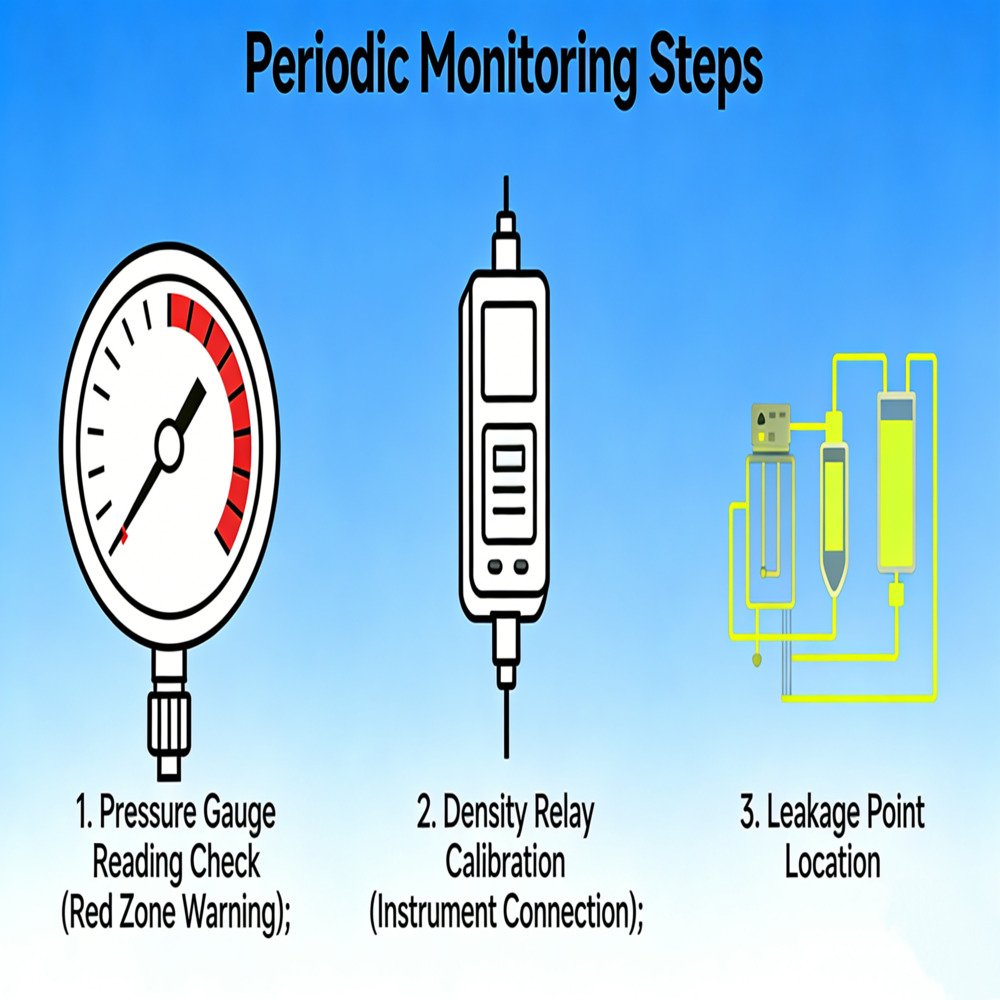
Recommended Periodic Monitoring for SF6 Load Switches
- Check pressure gauge readings; respond promptly to red‑zone warnings.
- Calibrate density relays regularly to ensure correct alarm and lockout logic.
- Conduct routine leak detection to prevent slow gas loss.
For reliable gas pressure monitoring in your SF6 systems, pair your maintenance with Xizi Energy SF6 barometers—high‑precision instruments designed for gas‑insulated equipment.
II. Common Faults and Solutions for Indoor High-Voltage Earthing Switches
Indoor earthing switches provide critical safety grounding during maintenance. Common faults include poor grounding, unreliable closing, and misoperation—all of which threaten personnel safety.
2.1 Poor Earthing
Hazard: Inadequate grounding creates risks for maintenance staff.
Main causes:
- Dust and oxide layers on grounding contacts
- Loose grounding cables or terminal bolts
- Corroded connectors or broken strands
Field solutions:
- Clean contact surfaces and remove oxidation to ensure low‑resistance contact.
- Retighten all grounding cable bolts to specified torque.
- Replace severely corroded cables or connectors; verify grounding resistance meets standards.
2.2 Unreliable Closing
Effect: May fail to provide secure grounding, invalidating safety protection.
Main causes:
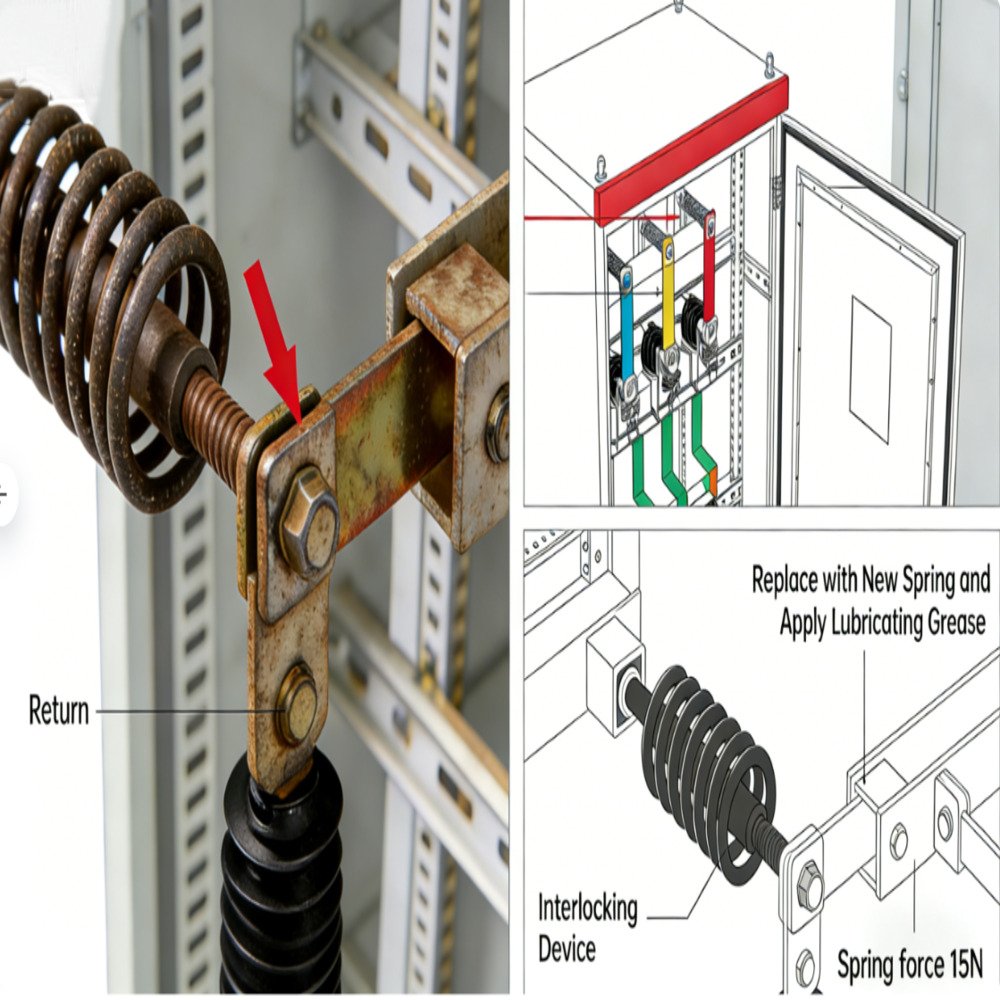
- Dust buildup jamming the transmission mechanism
- Worn or damaged operating handle components
- Insufficient lubrication in indoor, humid environments
Field solutions:
- Disassemble, clean, and regrease the transmission mechanism with specialized grease.
- Repair or replace damaged handle, latch, or interlock parts.
- Confirm stable locking after closing to avoid accidental opening.
2.3 Misoperation
Risk: Improper operation can lead to short circuits or equipment damage.
Main cause: Failed or improperly adjusted interlock devices.
Field solutions:
- Inspect, repair, or replace faulty interlock components.
- Recalibrate interlock parameters to only allow closing when equipment is out of service.
- Test functional interlocking with other switchgear to prevent unsafe operations.
III.Why Choose Xizi Energy’s Components & Services
With 13+ years focusing on medium‑ and high‑voltage electrical equipment, Xizi Energy provides complete solutions for load switches, earthing switches, operating mechanisms, and GIS accessories used in power grids, industrial plants, and renewable projects.
Our advantages for your maintenance and retrofit projects:
- Full factory testing and stable quality in harsh environments
- Customized design and flexible OEM/ODM support
- Fast response technical support and after‑sales service
- Proven applications in Southeast Asia, Middle East, Europe, and South America
We supply a full range of gas insulated switchgear (GIS) accessories for high‑voltage SF6‑insulated systems, including standard and customized parts for installation, maintenance, and replacement. To ensure accurate gas pressure monitoring of your GIS equipment, we recommend pairing our GIS accessories with our SF6 barometer, a high‑precision instrument designed specifically for SF6‑insulated systems.
Learn more about our core products:
- Indoor High-Voltage Earthing Switches
- SF6 Gas Insulated RMU & Switchgear Components
- GIS Accessories & SF6 Pressure Monitoring Instruments
IV. Summary & Preventive Maintenance Tips
The key to extending service life and reducing failures is regular inspection and targeted maintenance.
- For SF6 load switches: Focus on SF6 gas pressure, seal integrity, and mechanism lubrication.
- For indoor high‑voltage earthing switches: Prioritize dust and moisture protection, contact cleaning, and interlock verification.
Well‑maintained equipment improves system stability, reduces outage risks, and supports safe, efficient power distribution.
V. FAQ (Frequently Asked Questions)
Q1: How often should I check SF6 gas pressure?
A: For most indoor SF6 switchgear, we recommend visual checks monthly and calibrated pressure tests quarterly.
Q2: What should I do if the earthing resistance is out of limit?
A: Clean contacts, retighten connections, or replace corroded parts; retest until values meet grid standards.
Q3: Can I replace SF6 gas with other insulating gases?
A: Only use approved, compatible gases; improper replacement risks insulation failure and equipment damage.
Q4: How long do earthing switch interlocks typically last?
A: With normal operation, interlock components usually last 5–8 years; replace immediately if malfunctions occur.