
Indoor earthing switches and SF₆ load break earthing switches are both common in high-voltage switchgear, but they’re not interchangeable. In actual power distribution projects, we often see customers mix up their uses—so let’s break down their differences simply, based on real on-site application experience.
The 12–24kV indoor high-voltage earthing switch is purely a safety device, focused only on grounding. The 35kV SF₆ load break earthing switch (usually a 3-position switch) is a functional control device that also includes a grounding function. Knowing when to use each saves time in project design and maintenance.
Primary Function
Let’s start with the most critical difference: what each switch is actually designed to do on-site.
12–24kV Indoor Earthing Switch: Its only job is to keep maintenance teams safe. When electrical equipment (like busbars or feeders) is disconnected, this switch connects those parts to the ground. This diverts any residual charge or accidental re-energization to the earth—so technicians can work safely without risk of electric shock. It’s a basic but essential safety tool in indoor switchgear cabinets. For more details on our on-site tested model, check our 12/24kV indoor earthing switch, built specifically for safe maintenance scenarios.
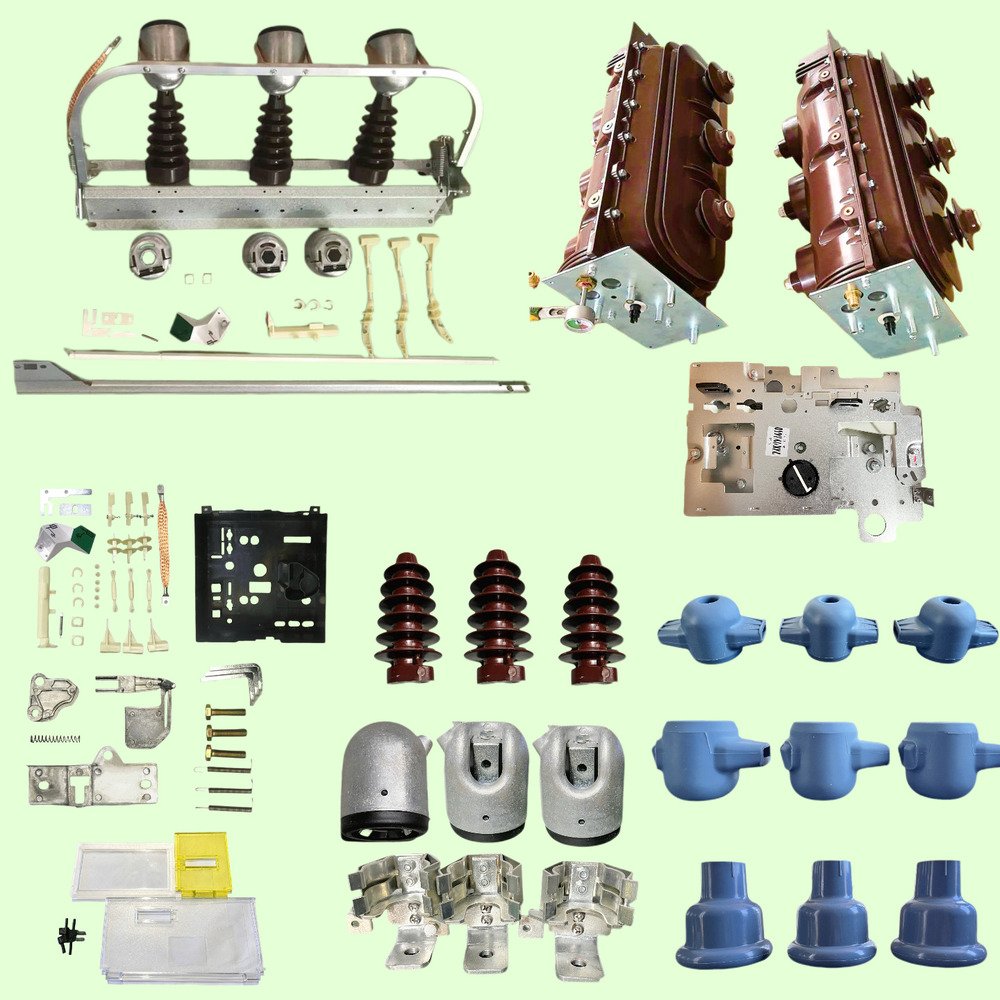
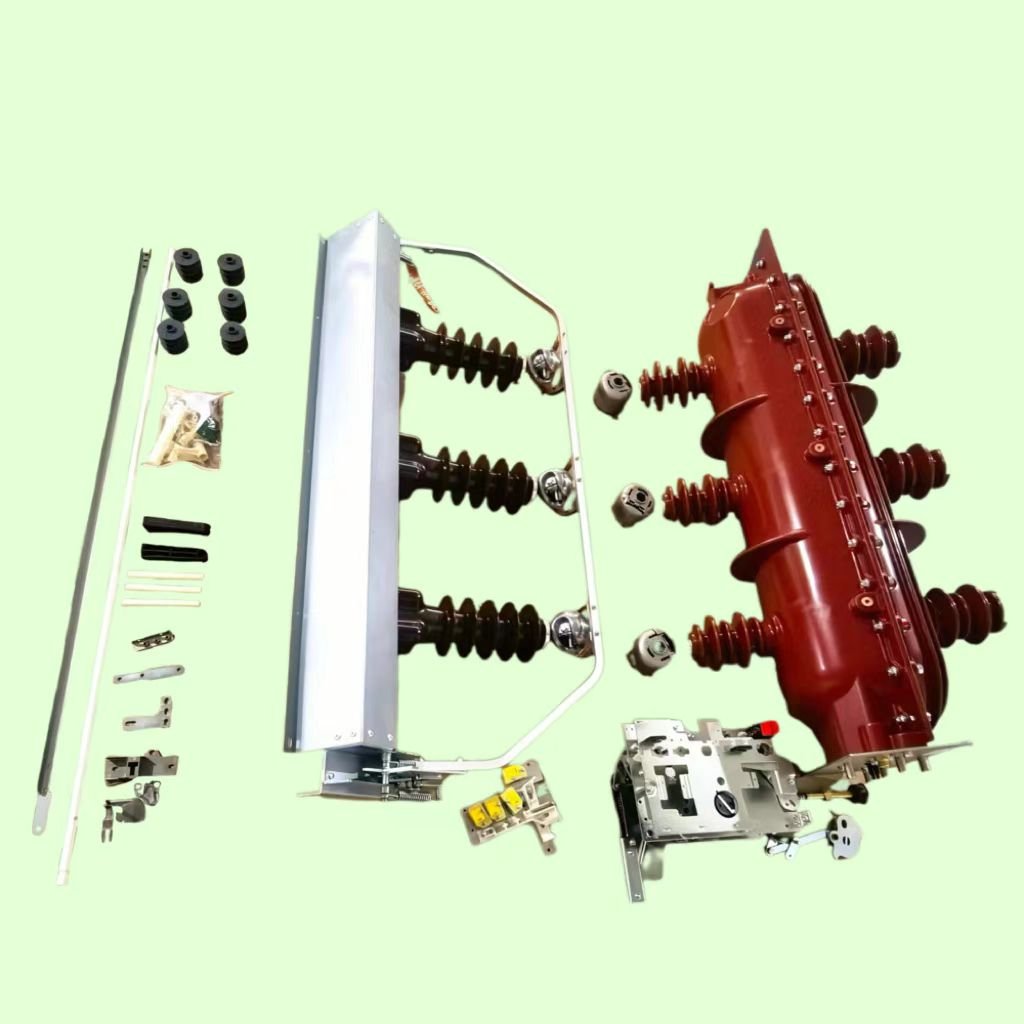
35kV SF₆ Load Break Earthing Switch: This is first and foremost a load break switch (LBS) with an added grounding feature. Unlike the indoor earthing switch, it can actively disconnect or connect a circuit while it’s under normal load. Most models have three positions: Closed (power on), Open (power off), and Grounded (safety mode). This “all-in-one” design is why it’s popular in high-voltage projects where space is limited. Our 35kV SF6 load break earthing switch is engineered for this 3-position operation, fitting most high-voltage system needs.
Arc Extinguishing & Medium
How each switch handles electrical arcs (a common issue in high-voltage systems) also sets them apart—this directly affects their use cases.
12–24kV Indoor Switch: These use air as the insulation medium. They rely on mechanical speed and sufficient distance between contacts to prevent arcing. Importantly, they cannot break a live load. Before using this switch, you must first disconnect the circuit with a circuit breaker. This is a key point we emphasize to customers during on-site guidance—using it on a live circuit risks equipment damage and safety hazards.
35kV SF₆ Switch: It uses sulfur hexafluoride (SF₆) gas for both insulation and arc extinguishing. SF₆ is highly effective at quenching arcs, so this switch can safely disconnect a circuit even when current is flowing (up to its rated load). This makes it much more versatile than the indoor air-insulated model, especially in 35kV high-voltage applications where load switching is frequent.
Comparison Table
| Feature | 12–24kV Indoor Earthing Switch | 35kV SF6 Load Break Earthing Switch |
|---|---|---|
| Voltage Class | Medium (12kV to 24kV) | High (35kV) |
| Insulation | Air-insulated (requires more space for clearance) | SF6 Gas-insulated (superior dielectric strength) |
| Load Handling | Cannot break load; only used after circuit isolation | Can break and make rated load currents safely |
| Working Positions | Usually 2 (Open / Ground) | Usually 3 (Closed / Open / Ground) |
| Primary Goal | Personnel safety during equipment maintenance | Circuit control + safety grounding (all-in-one) |
| Space/Size | Often larger (needs space for air insulation clearance) | Compact (SF6’s strength reduces size) |
Key Summary
Choosing the right earthing or load break switch ensures safety, reliability, and compliance in medium and high-voltage power systems. At Xizi Energy, we provide a full series of switches tested in real-world scenarios—from indoor earthing switches to SF6 load break models—for substations, industrial grids, and switchgear manufacturers. For complete power distribution solutions, pair these switches with our matching electric operating mechanisms.
Choosing the right earthing or load break switch ensures safety, reliability and compliance in medium and high voltage power systems. Xizi Energy provides full series switches for substations, industrial grids and switchgear manufacturers.
Browse more professional power equipment knowledge in our technical blog.