
SF6 (sulfur hexafluoride) is a useful material for electrical equipment. It helps insulate parts. It is important to know SF6 gas properties to use it safely and correctly. People use it in many medium and high-voltage switchgear, gas-insulated switchgear (GIS), ring main units (RMU), and circuit breakers. This blog will explain SF6 gas properties clearly. It will show how SF6 works in power equipment. It will also tell you what you need to know to use it safely. This will help you make good choices for your power projects. Many power companies rely on SF6 for daily grid operation.
Physical Properties of SF6 Gas
At normal temperature and pressure (STP), SF6 is a gas. It has no color, no smell, and no taste. It does not burn. It is not harmful when you use it normally. So it is safe for workers and equipment. At sea level, SF6 has a density of 6.12 g/L. That is about five times denser than air. This heavy density gives it better natural insulation ability.
SF6 does not dissolve well in water. It turns to liquid at -63.8°C. This means it stays a gas in most places where it is used, which is why it’s reliable for SF6 gas applications in power equipment. We provide matching SF6 electrical accessories for stable gas system operation. It works well in cold city substations and hot industrial plants. It performs the same in different working conditions. It keeps steady performance all year round in different climates.
Chemical Properties of SF6 Gas
SF6 is chemically stable. Its molecular structure does not break down easily under normal use. It does not react with common materials in electrical equipment, like metals, insulators, and sealants. This helps equipment last longer and need less maintenance. Stable chemical features reduce daily equipment failure risks.
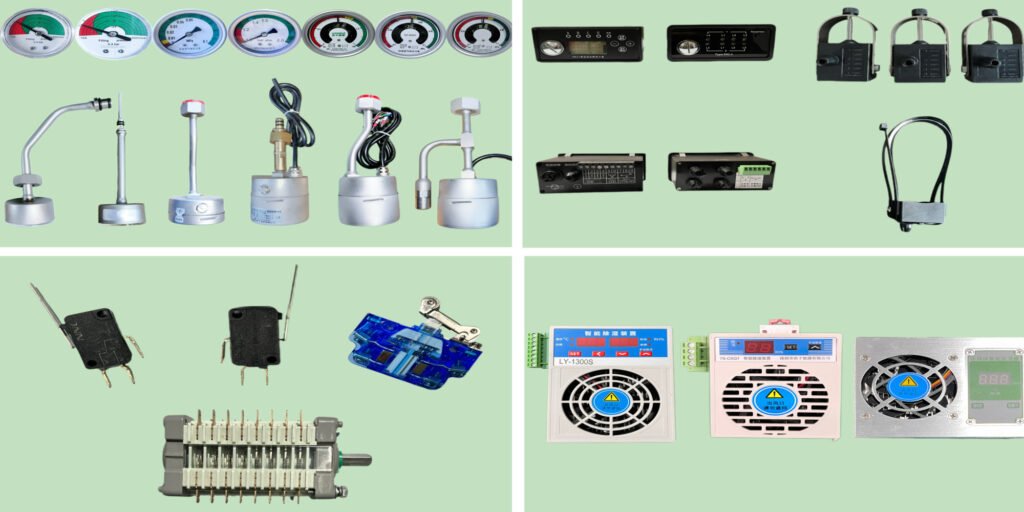
Important note: SF6 is stable when used normally. But it can break down into harmful byproducts (like SO2F2, S2F10, HF) if it gets too hot. This heat comes from electrical arcs or corona discharge. Knowing SF6 gas properties helps you avoid these risks—you must seal equipment well and check for leaks. Our SF6 gas leak detection devices can help you monitor gas conditions effectively. This protects workers and equipment. Regular inspection can extend the service life of your power devices.
Electrical Properties (Key for Power Equipment)
SF6 is most useful in power systems because of its electrical performance. Its dielectric strength is 2.5 times that of air. It is similar to transformer oil at 0.294 MPa. This makes it good for insulating high-voltage parts in GIS, RMU, and circuit breakers.
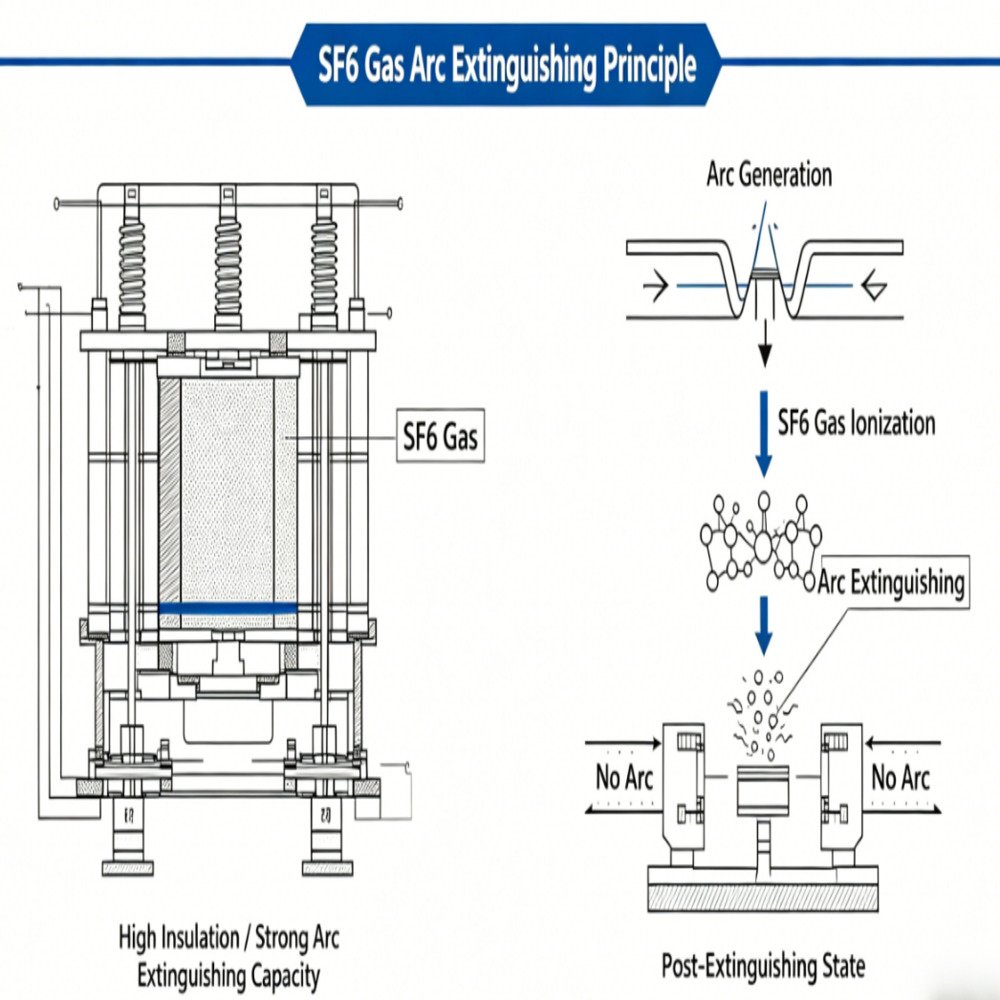
SF6 is also very good at putting out electrical arcs. It does this 100 times faster than air. When an arc forms (for example, in circuit breakers), SF6 soaks up heat. It breaks apart for a short time and then comes back together. This puts out the arc, which is one of the key SF6 gas properties for power systems. It stops equipment damage and reduces downtime, making it ideal for SF6 gas applications in power equipment.
Practical Applications & Considerations
For power industry workers, SF6’s ability to insulate in a small space lets equipment be smaller. This is important for city substations and RMUs where space is limited. SF6 needs little maintenance. This lowers operating costs. Its stability makes it work well for a long time. Good insulation stops electric leakage in high voltage systems.
But SF6 is a strong greenhouse gas. It is 23,500 times more powerful than CO2 over 100 years. You must check for leaks regularly. You can use detectors or soap tests. You also need systems to recover the gas. This helps follow environmental rules and reduce emissions.
Conclusion
These SF6 gas properties make it necessary for modern power distribution. It is safe, good at insulating, and good at putting out arcs. It helps GIS, RMU, and circuit breakers work safely and well. When power workers know these properties, they can choose, maintain, and use equipment safely. They can also follow environmental rules.
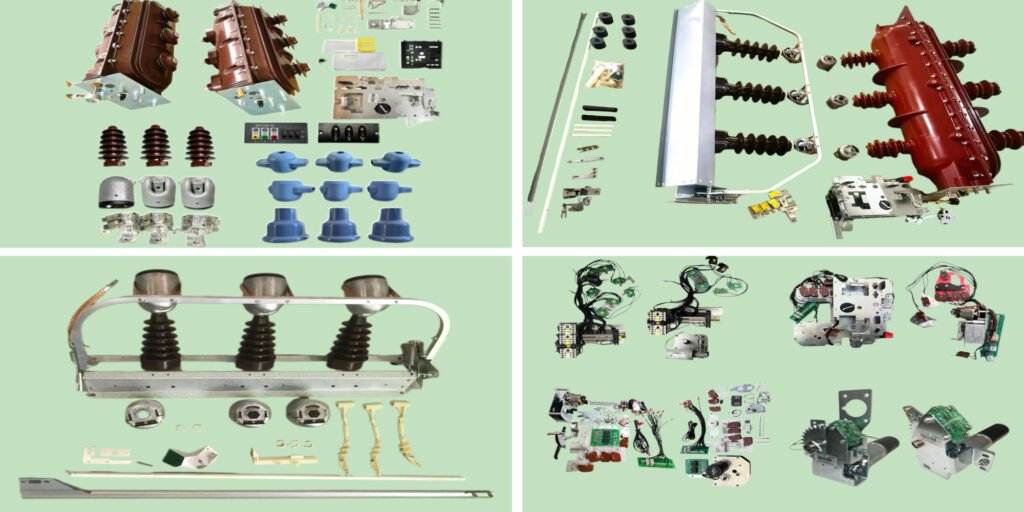
For more info on managing SF6 gas, checking for leaks, or maintaining equipment, visit our medium and high voltage switchgear accessories page. Or contact our engineering team for help that fits your needs. Our team provides full support for all power equipment demands.
SF6 gas leak detection for high voltage equipmentSF6 is widely used in GIS, RMU and medium‑voltage switchgear around the world.
Professional Medium & High Voltage Electrical Equipment Manufacturer