
In medium‑voltage power distribution systems, the Ring Main Unit (RMU) is a compact, fully sealed, and maintenance‑friendly switchgear assembly widely used in secondary distribution networks, compact substations, and urban power grids.
Unlike conventional switchgear—whose structural and functional differences are detailed in our guide Difference Between Ring Main Unit and Switchgear—RMUs are engineered for plug‑and‑play installation and minimal upkeep.
Understanding these core parts not only aids in proper selection, installation, and maintenance but also ensures seamless integration with your overall power distribution setup. For a foundational grasp of RMU fundamentals before diving into its components, refer to our comprehensive guide What is a Ring Main Unit (RMU)? Full Guide for Medium‑Voltage Power Distribution. Now let’s take a look at the accessories related to the ring main unit.
Core Functional Components of RMU
RMUs are factory-assembled with highly integrated components, designed to deliver reliable switching, protection, and insulation—key traits that set them apart from standard switchgear. Their components fall into four critical categories, each indispensable to overall performance.
1. Switching Components (The Operational Core)
The switching section controls load current flow and circuit connection/disconnection, optimized for compactness to fit the RMU’s sealed structure—a key design difference from traditional switchgear’s modular components.
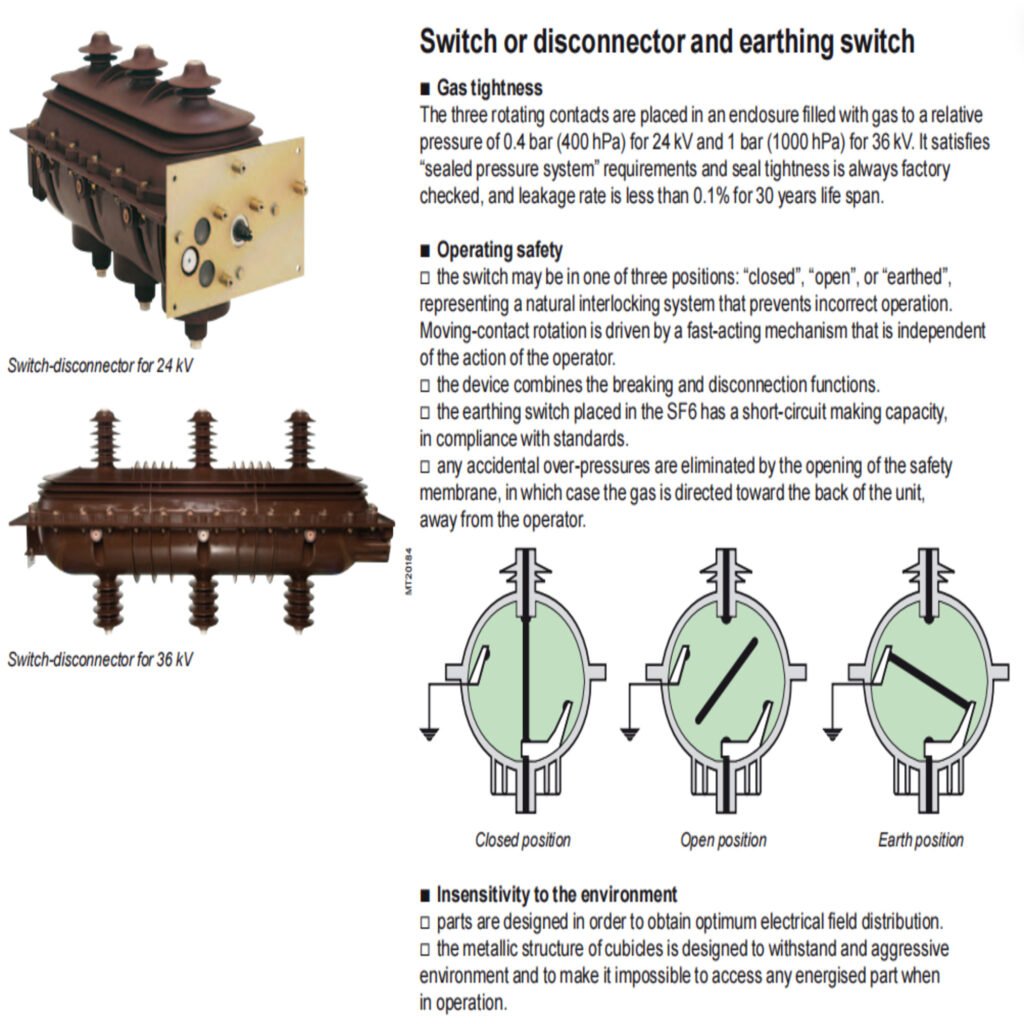
Load Break Switch: The primary operating component, responsible for on‑load switching and circuit isolation. Hermetically enclosed in a sealed tank, it ensures safe operation even in harsh outdoor environments, offering fast, low‑maintenance performance.
Operating Mechanism: Available in manual (ideal for small‑to‑medium RMUs seeking low maintenance) or motorized (suited for larger units or remote operation) variants, it drives the load break switch with stable, consistent mechanical performance.
2. Protection Components (Safeguarding the System)
Protection components prevent damage from short circuits, overloads, and misoperations—critical for maintaining grid stability, with designs scaled to the RMU’s compact form.
Fuse: High‑rupturing‑capacity (HRC) fuses provide rapid short‑circuit protection, carefully matched to the RMU’s 6kV–36kV voltage rating and load current for quick, reliable fault interruption.
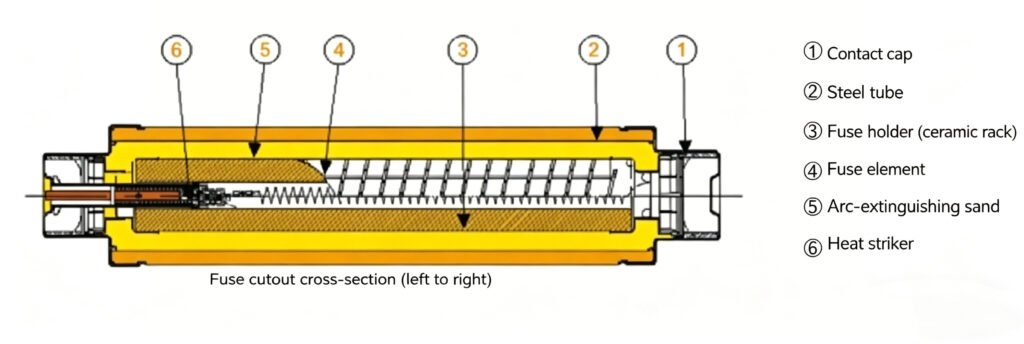
Interlock Device: A mandatory safety component that prevents hazardous misoperations (e.g., opening the sealed tank while the unit is energized or switching under load). It aligns with global industry standards, minimizing the risk of equipment damage or personnel injury.
3. Insulation & Sealing Components (Ensuring Reliability)
Insulation is the backbone of RMU reliability, particularly for units installed outdoors or in unprotected spaces. Unlike switchgear, which often relies on open‑air insulation, RMUs use sealed insulation systems to block moisture, dust, and contaminants.
Insulation Medium: The two most common options are SF6 gas insulation (renowned for exceptional dielectric strength and arc‑quenching properties) and solid insulation (typically epoxy resin, ideal for low‑maintenance, harsh environments). The choice depends on application requirements and maintenance preferences.
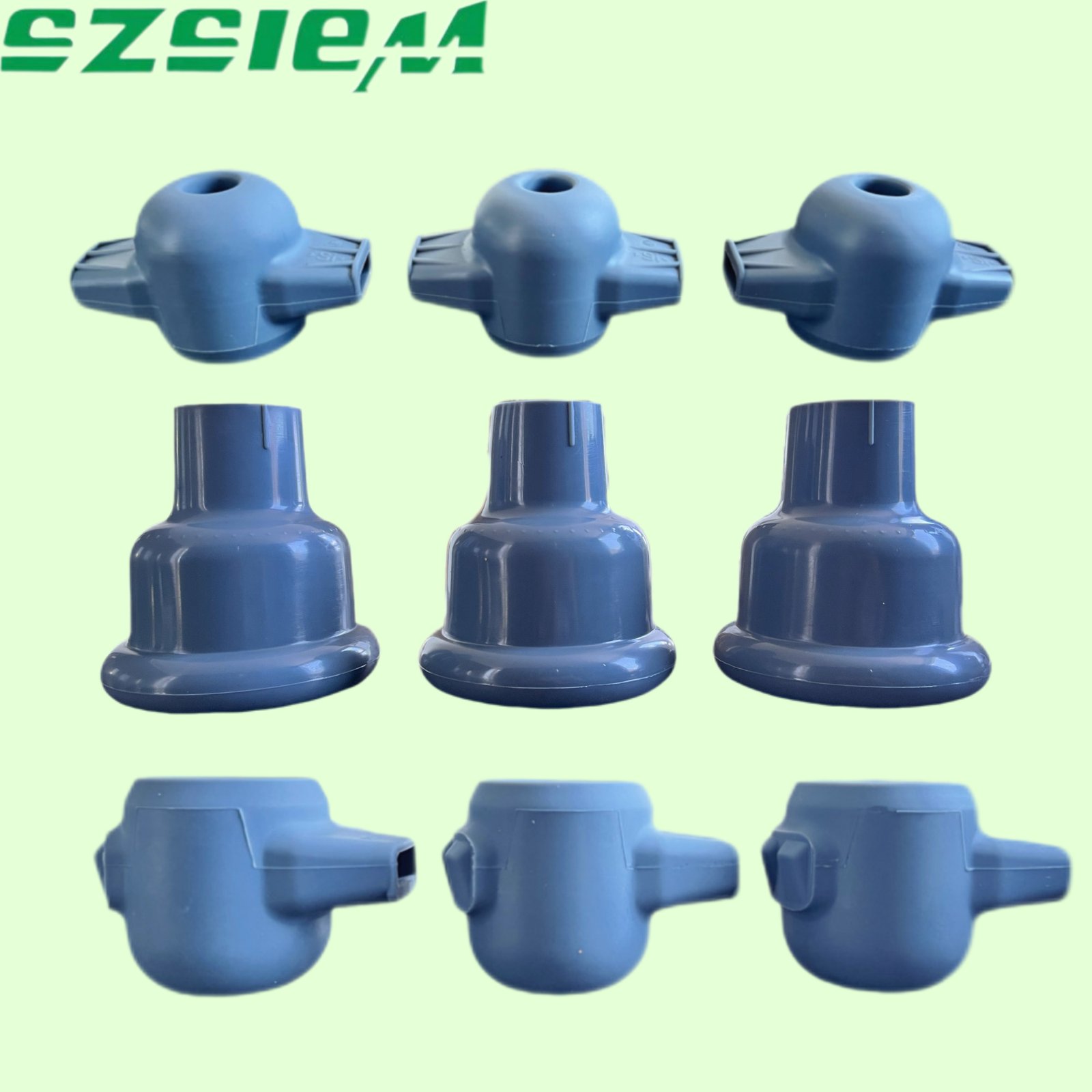
Insulation Bushing: Isolates live components from the RMU’s outer casing while facilitating secure connections to external cables. It maintains the unit’s sealed integrity and ensures electrical safety.
Sealed Tank & Gaskets: Constructed from corrosion‑resistant metal (usually stainless steel or aluminum) paired with high‑quality gaskets, this assembly forms a fully sealed structure. This design eliminates the need for frequent cleaning and maintenance—a key advantage over switchgear.
4. Auxiliary Components (Supporting Monitoring & Installation)
These components complement the RMU’s core functions, simplifying installation, monitoring, and long‑term performance.
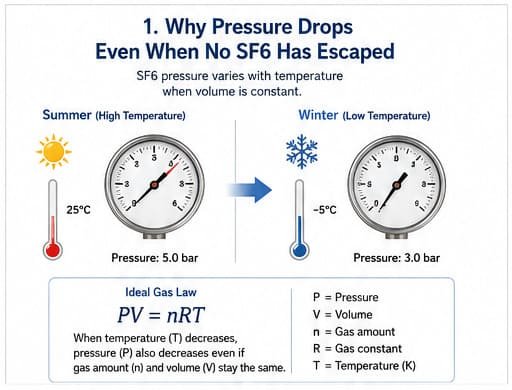
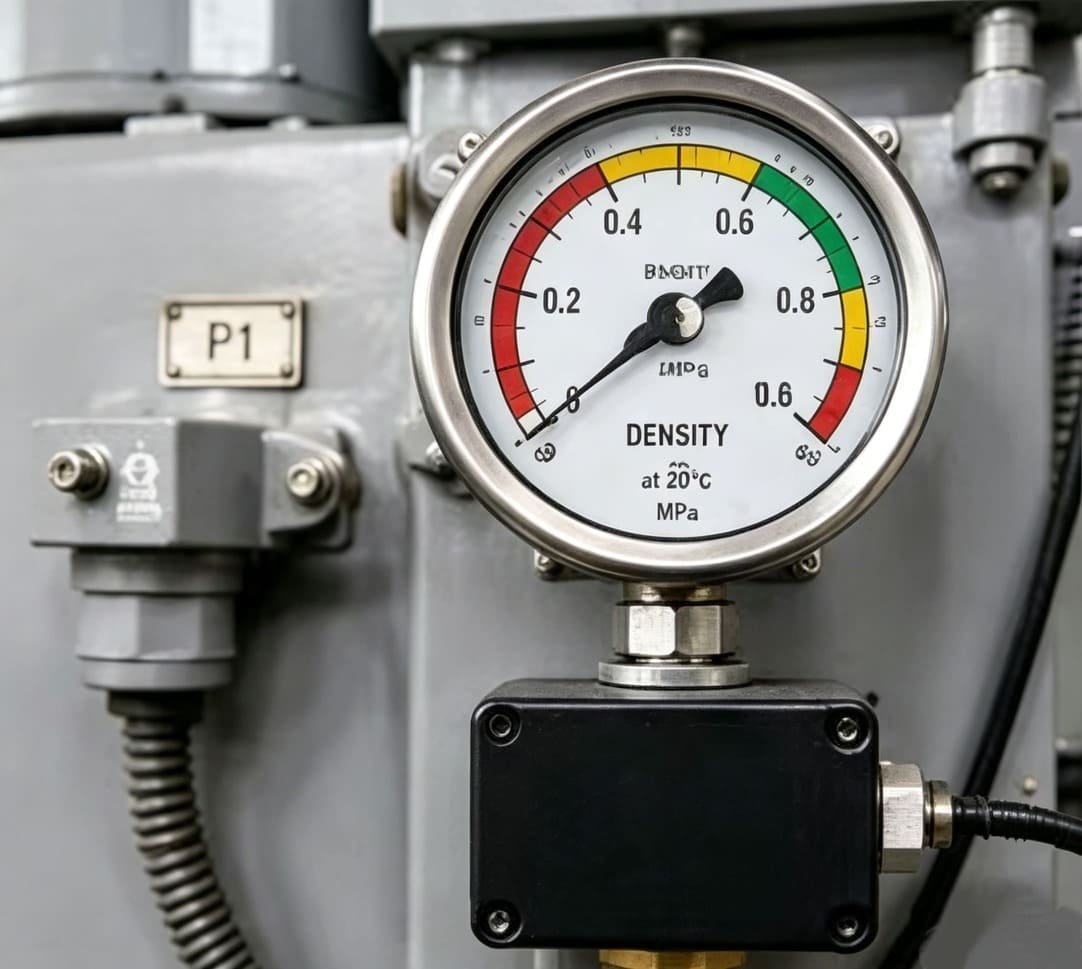
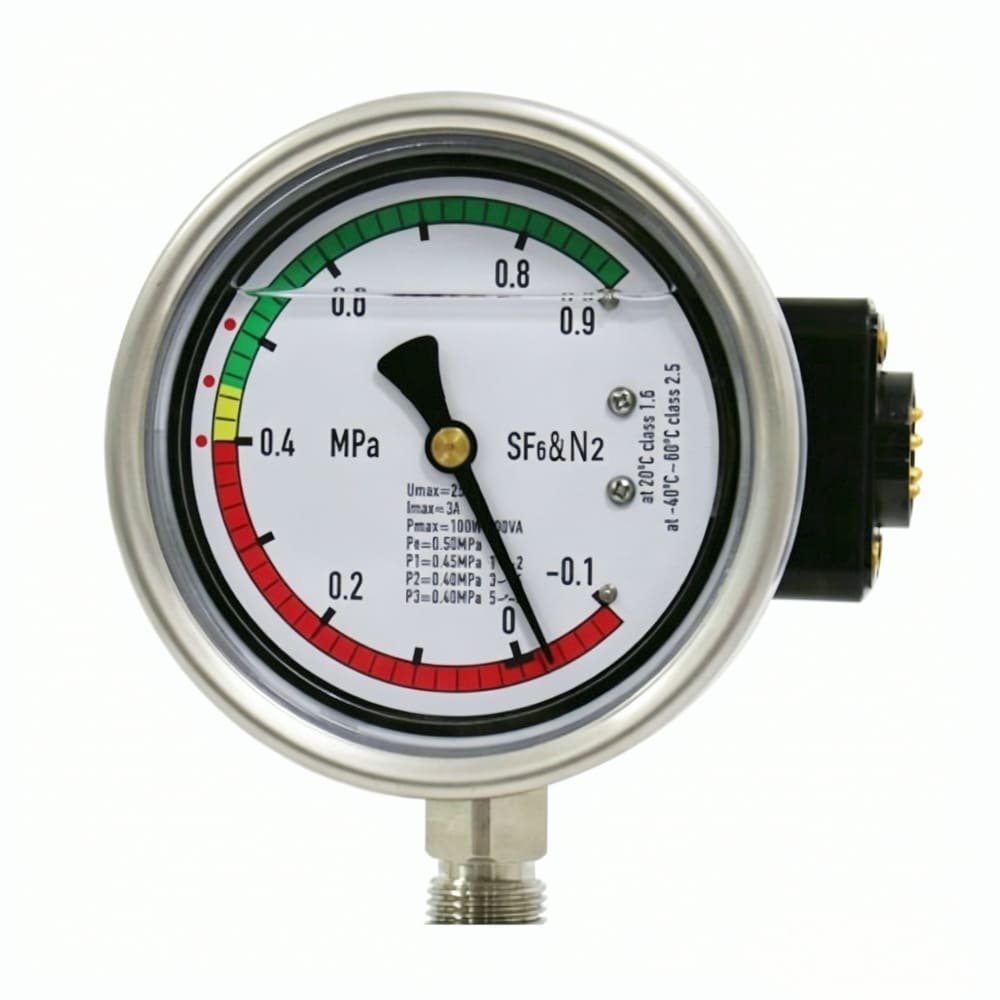
Pressure Gauge: Essential for SF6‑insulated RMUs, it provides real‑time monitoring of gas density to detect leaks and prevent insulation failure.
Cable Connectors: Sealed, high‑quality connectors for incoming and outgoing cables, engineered to match the RMU’s voltage rating for stable current transmission.
Mounting Base: A sturdy, compact base designed for stable installation in outdoor kiosks, underground distribution boxes, or compact substations—perfect for spaces where switchgear (which requires more floor space) is unfeasible.
Why RMU Component Design Matters
RMUs stand out from conventional switchgear due to their miniaturization, full sealing, and high integration. This component design makes RMUs the preferred choice for urban power grids, industrial parks, commercial buildings, and remote areas where space is limited and maintenance access is challenging.
Proper component selection—such as choosing the right insulation medium or fuse rating—directly enhances system safety, extends equipment lifespan, and reduces operational costs.
Ready to choose the right RMU components for your project? Contact our power equipment experts for personalized advice today.
Professional Medium & High Voltage Electrical Equipment Manufacturer