
I. Core Functionality of Fault Indicators
The most fundamental and core function of fault indicators is real-time fault detection and alerting. When faults such as short circuits or grounding occur on a line, the indicator captures sudden changes through built-in current and temperature sensors, immediately triggering local indicator lights to flash while sending alert signals to the operations platform via wireless modules.
Compared to the hours-long fault location efficiency of traditional manual line patrols, fault indicators can reduce fault location time to minutes, significantly minimizing power outage scope and duration.
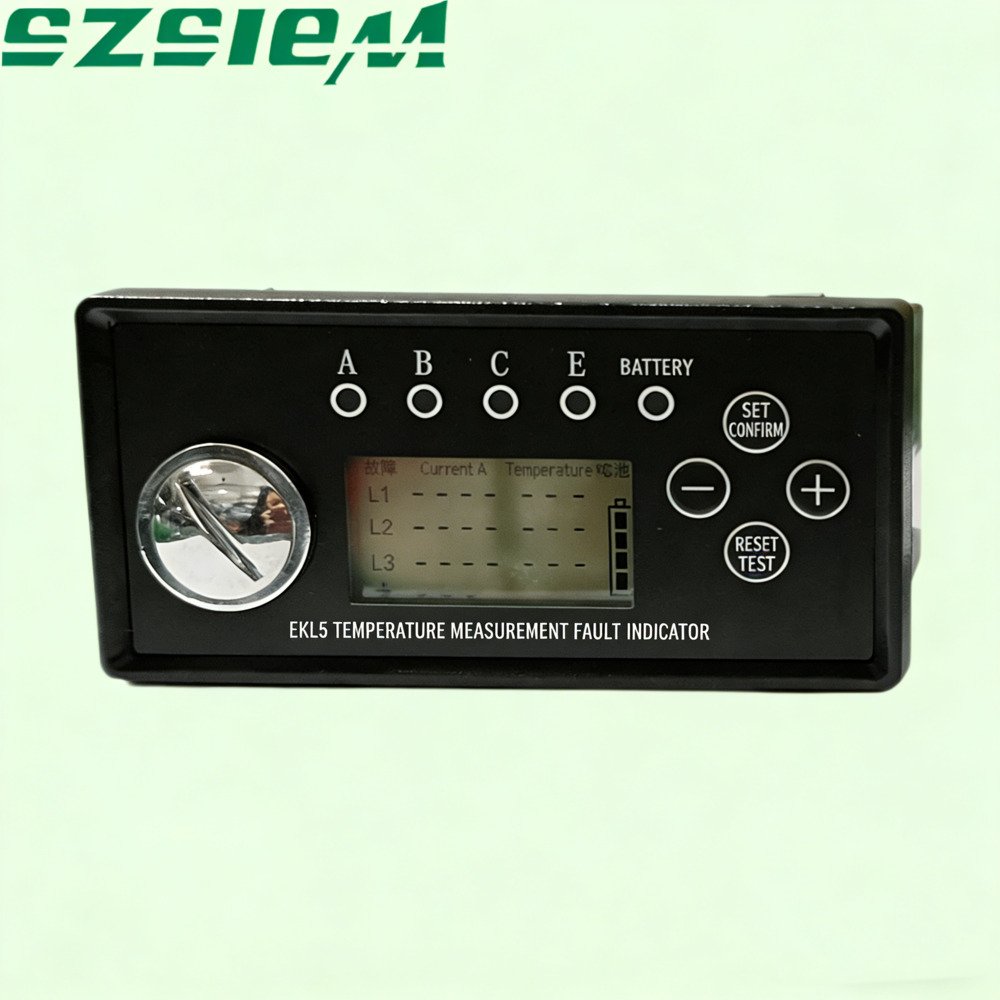
II. EKL5 Temperature-Sensitive Fault Indicator
For intelligent indicators like the EKL5 with temperature measurement capabilities, functionality has expanded from single fault alerts to condition monitoring and trend-based early warnings. They continuously monitor operating temperatures at line joints and cable terminals.
By analyzing temperature trends, they proactively identify overheating risks, enabling maintenance crews to address issues before failures occur. This shift from “post-failure repair” to “pre-failure prevention” represents a critical step in the intelligent evolution of distribution grids.
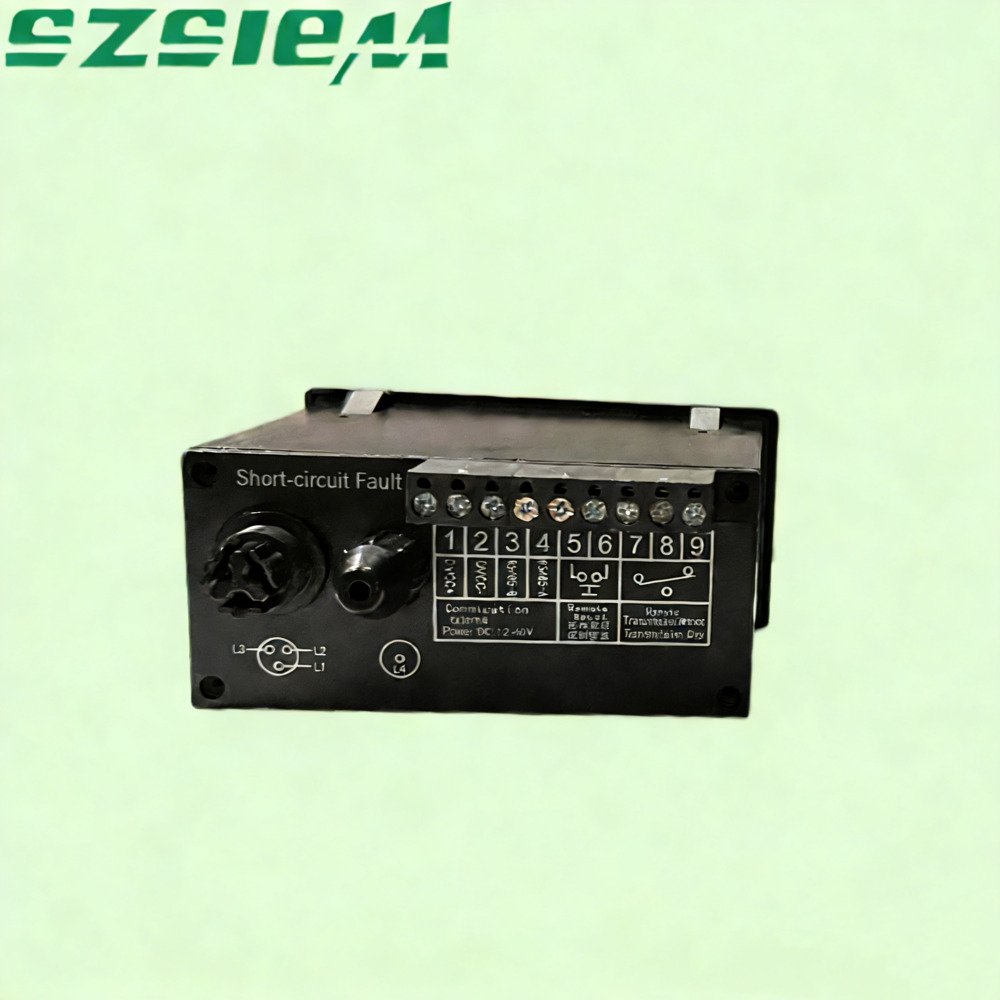
Within complex distribution networks, fault indicators also perform fault classification and auxiliary diagnosis. By analyzing fault current magnitude, duration, and temperature profiles, they distinguish between transient and permanent faults, as well as single-phase grounding and phase-to-phase short circuits.
This provides dispatchers with precise fault information, eliminating blind troubleshooting. Some high-end models feature event logging capabilities, storing waveform data before and after faults for post-incident analysis.
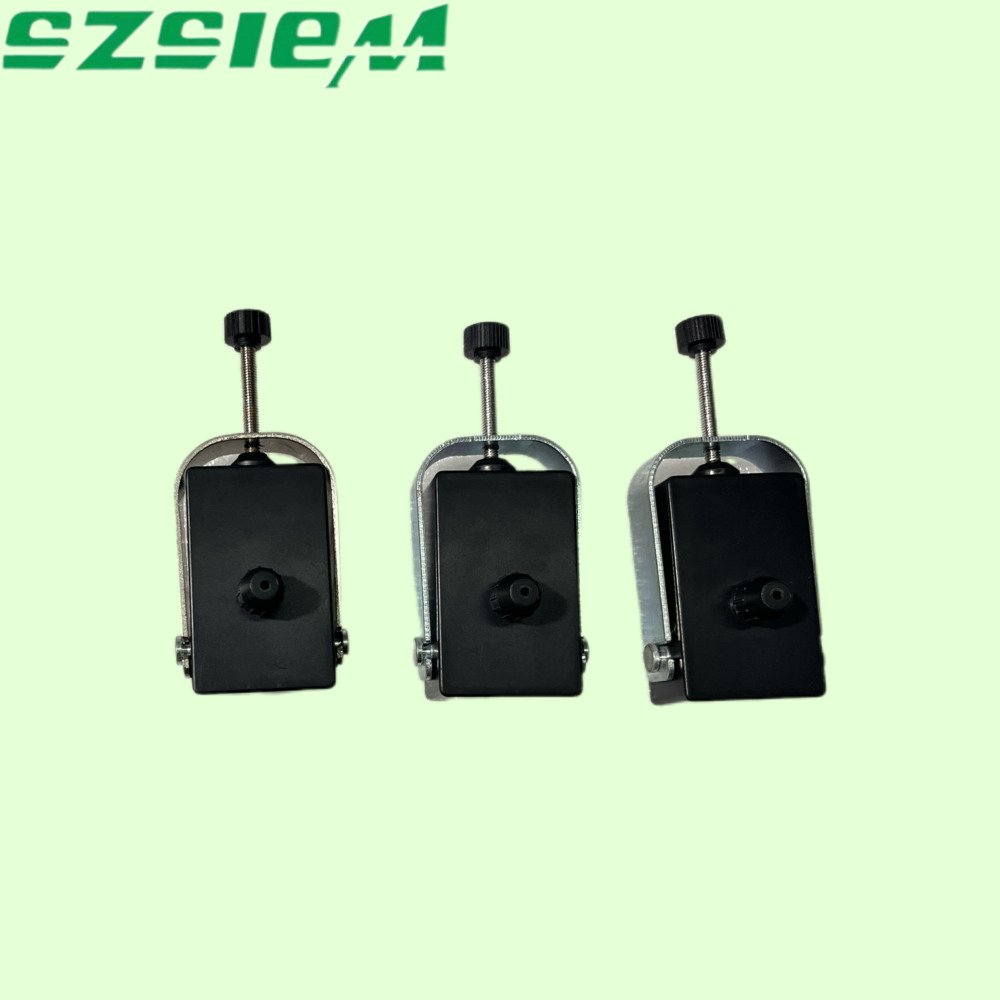
As a manufacturer deeply rooted in the field of medium- and high-voltage electrical switchgear components, Xizi Energy remains committed to empowering the intelligent operation and maintenance of power systems as our core mission, focusing on the R&D and production of fault monitoring accessories.
Addressing industry pain points such as the difficulty of fault location and high operational costs in distribution networks, our series of fault monitoring products precisely match the installation and compatibility requirements of mainstream panel-mounted temperature-sensing fault indicators like the EKL5, providing reliable support for stable equipment operation.
Professional Medium & High Voltage Electrical Equipment Manufacturer