
In medium-voltage industrial power systems (7.2kV–36kV), choosing between a relay and a load switch directly impacts operational safety, efficiency, and equipment lifespan. Both components manage power flow, but their unique designs and functions make them better suited for specific industrial scenarios.
For a full breakdown of basic working principles and core differences, you can refer to our complete guide: What is the Difference Between a Relay and a Load Switch? This guide simplifies their key differences, selection steps, and real-world uses—tailored to industrial engineers and facility managers searching for clear, actionable advice on medium-voltage component selection.
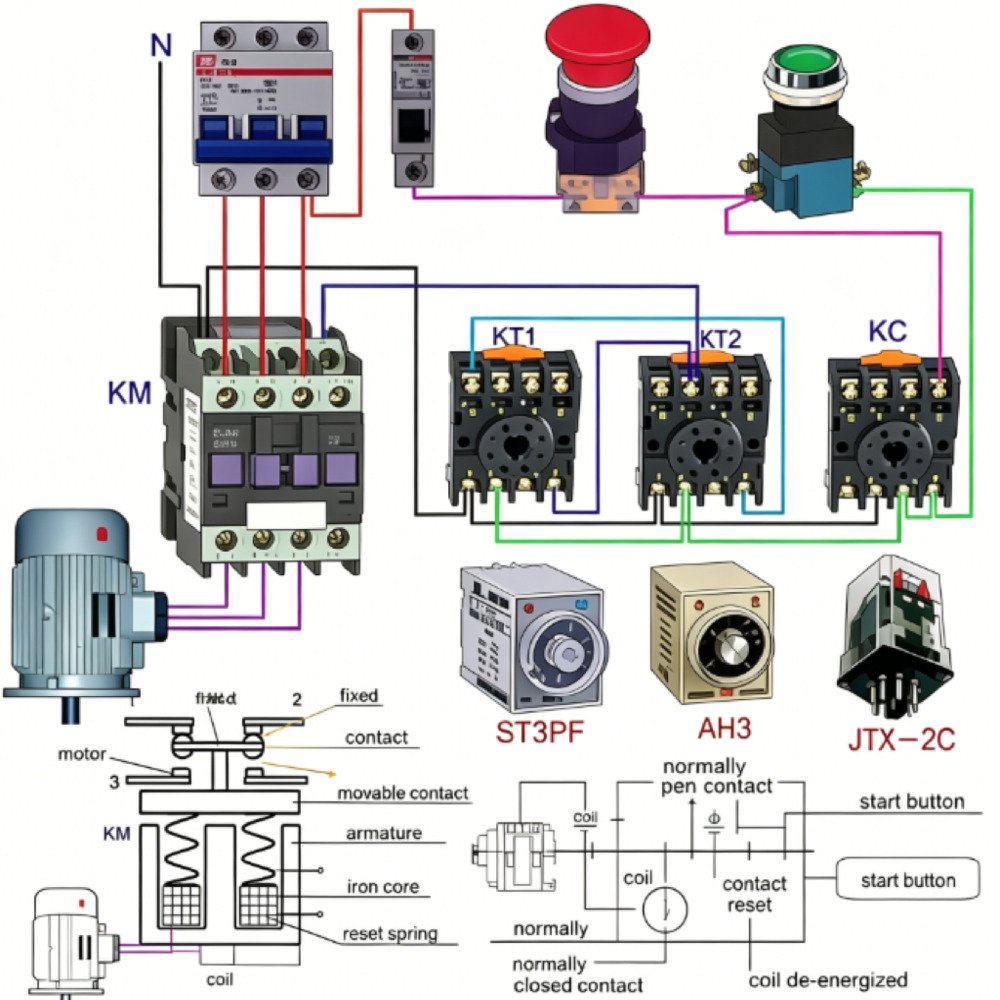
Before diving into selection, it’s critical to understand what each component does. A medium-voltage relay is an electromechanical or solid-state device that uses a low-power control signal to operate high-voltage circuits. It acts as a bridge between low-voltage control systems and high-voltage power loops, making it ideal for remote, automated, or safety-focused operations.
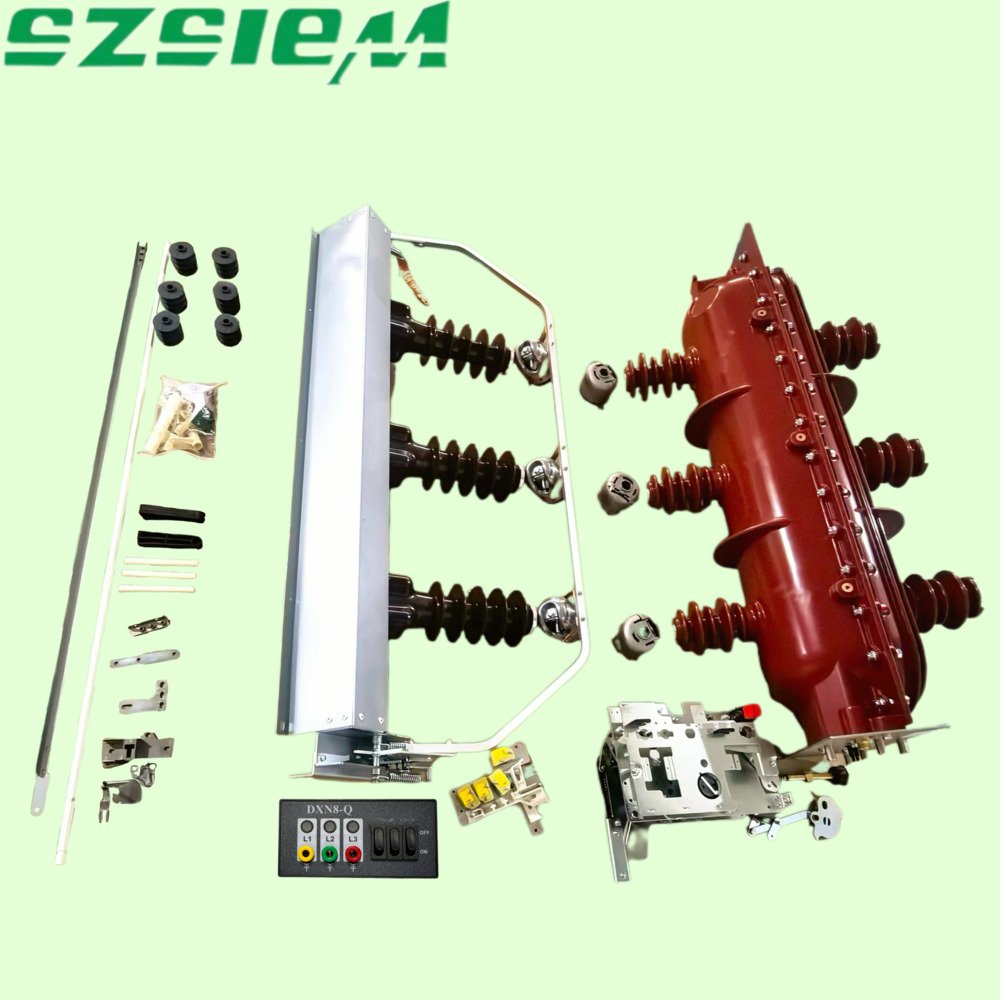
A medium-voltage load switch, on the other hand, directly connects or shuts off load current without a secondary signal. It’s built for reliability in frequent, local load control tasks.
Key Differences Between Relays and Load Switches in Medium-Voltage Systems
Knowing how relays and load switches differ is the first step to choosing the right component. Below are the most important distinctions for industrial medium-voltage setups:
1. Power Control: Relays use low-power signals (from PLCs or control panels) to manage high-voltage circuits, enabling remote or automated switching. Load switches handle load current directly (up to 630A for medium-voltage models) with no signal amplification, designed for manual or local automated control.
2. Safety Features: Relays include built-in fault detection (overcurrent, overvoltage) and circuit isolation, protecting equipment and personnel in high-risk industrial settings. Load switches rely on external protection (like HRC fuses) and basic insulation, focusing on load interruption rather than active fault prevention.
3. Switching Frequency: Load switches are built for frequent on/off cycles (e.g., daily equipment startups) with durable mechanical designs. Relays work best for intermittent switching, as frequent use can wear down their electromechanical coils or solid-state parts.
4. Application Scope: Relays support complex systems—multiple circuits, remote operation, and integration with SCADA or IEC 61850 protocols. Load switches are specialized for specific load capacities, ideal for simple, direct control in medium-voltage switchgear or RMUs (Ring Main Units).
How to Choose: 4 Critical Criteria for Medium-Voltage Industrial Use
To avoid costly misselection, focus on these four core factors when choosing between a relay and a load switch for your medium-voltage industrial application:
1. Load Type and Capacity
Start with your load characteristics: resistive (heaters, resistors), inductive (motors, transformers), or capacitive (capacitors, LED power supplies). Inductive loads produce surge currents (5–10x working current), so they often require relays for overload protection. For stable loads (e.g., constant-speed manufacturing motors), a load switch is more cost-effective. Ensure the component’s rating matches your system (7.2kV–36kV) and load current—relays typically handle up to 25kA short-circuit currents, while load switches focus on continuous load current.
2. Remote vs. Local Control Needs
If you need remote control (from a central control room) or automation (integration with PLCs), a relay is the right choice. Relays isolate low-voltage control signals from high-voltage loads, keeping operators safe. For local load control (e.g., manually switching a conveyor motor or RMU component), a load switch offers simplicity and reliability—no secondary control signals needed.
3. Safety and Industry Compliance
Medium-voltage industrial systems must meet IEC 62271-200 (switchgear) and IEC 61850 (communication) standards. Relays with built-in protection meet these requirements, making them essential for safety-critical applications (e.g., renewable energy plants, data centers). Load switches, when paired with external fuses, comply with standards but are better for non-critical local control.
4. Maintenance and Lifespan
Solid-state relays require less maintenance but have shorter lifespans in high-frequency switching. Load switches have robust mechanical designs, longer lifespans for frequent use, and minimal upkeep—perfect for industrial facilities with limited maintenance resources.
Real-World Industrial Applications: Relay vs. Load Switch
Here are common medium-voltage industrial scenarios to help you finalize your choice:
1. Renewable Energy Plants: Use relays to control high-voltage power flow from solar/wind turbines to the grid—they enable remote control and overload protection.
2. Industrial Manufacturing: Load switches for local control of production line motors; relays for automated, remote control of multiple circuits (e.g., assembly line power management).
3. Medium-Voltage Switchgear/RMUs: Load switches for direct load interruption; relays for protection and SCADA integration.
4. Data Centers & Healthcare Facilities: Relays for critical power backup switching and fault detection; load switches for non-critical local control (e.g., lighting, auxiliary equipment).
Final Selection Tips for Medium-Voltage Systems
For medium-voltage industrial applications, the right component depends on your load type, control needs, and safety requirements. Relays excel at remote, automated, and safety-critical tasks, while load switches offer simplicity and durability for local, frequent operation.
Xizi Energy supplies high-quality medium-voltage relays and load switches, compliant with IEC standards and tailored for industrial use. Our products deliver reliable power control, whether you need remote automation or local load management.
Ready to choose the right medium-voltage relay or load switch for your project? Visit Xizi Energy’s website to explore our full product range and get personalized support.
Professional Medium & High Voltage Electrical Equipment Manufacturer