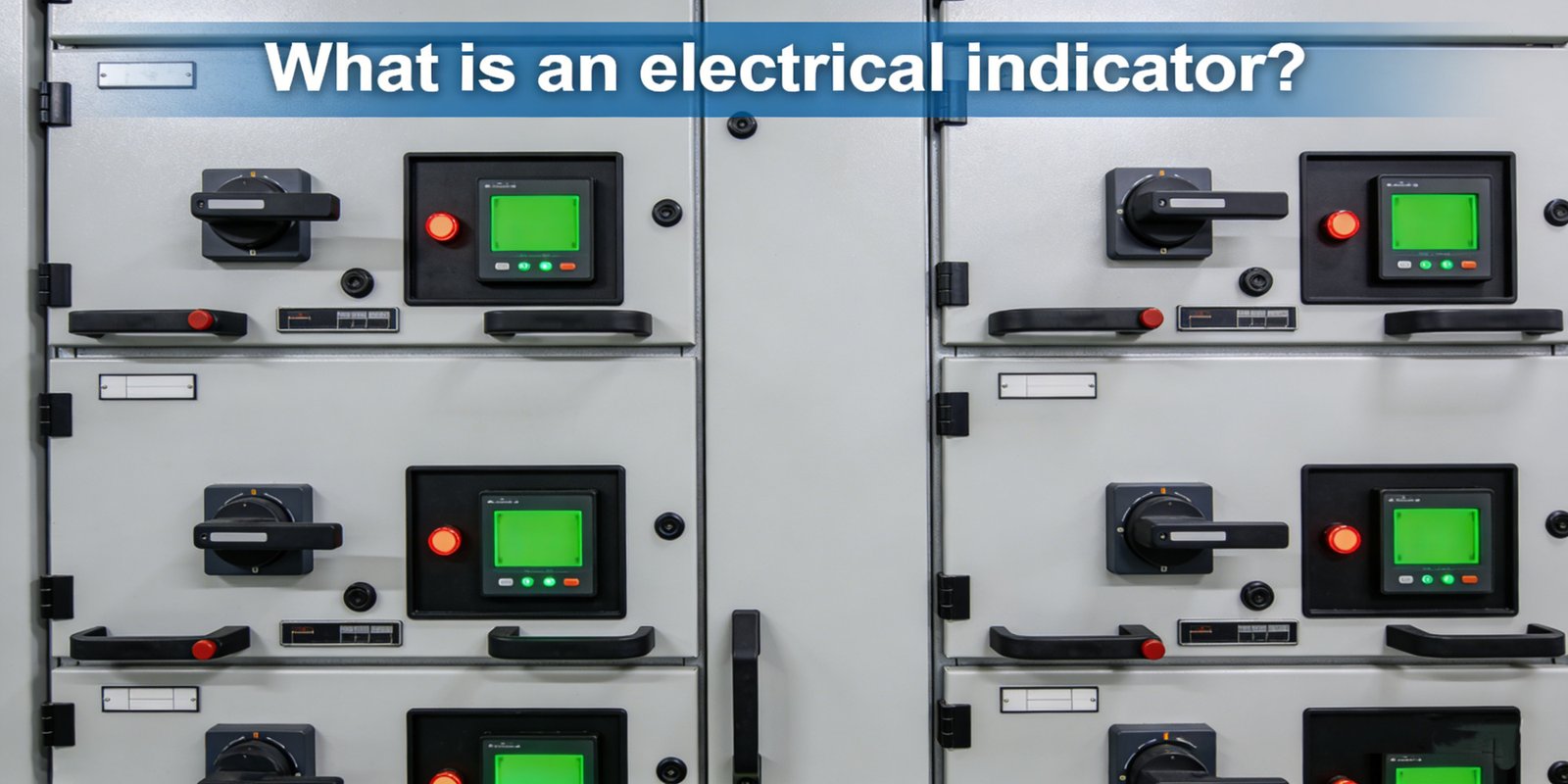

In high-voltage and medium-voltage power distribution systems, the reliability of circuit breaker opening and closing is crucial for grid safety.
The spring operating mechanism, a core driver for high-voltage and medium-voltage circuit breakers, uses pre-tensioned springs for energy storage and instant release to drive contactor movement. Its high efficiency and stability make it the primary choice in power, industrial, and rail transportation sectors.
I. Core Definition and Working Principle
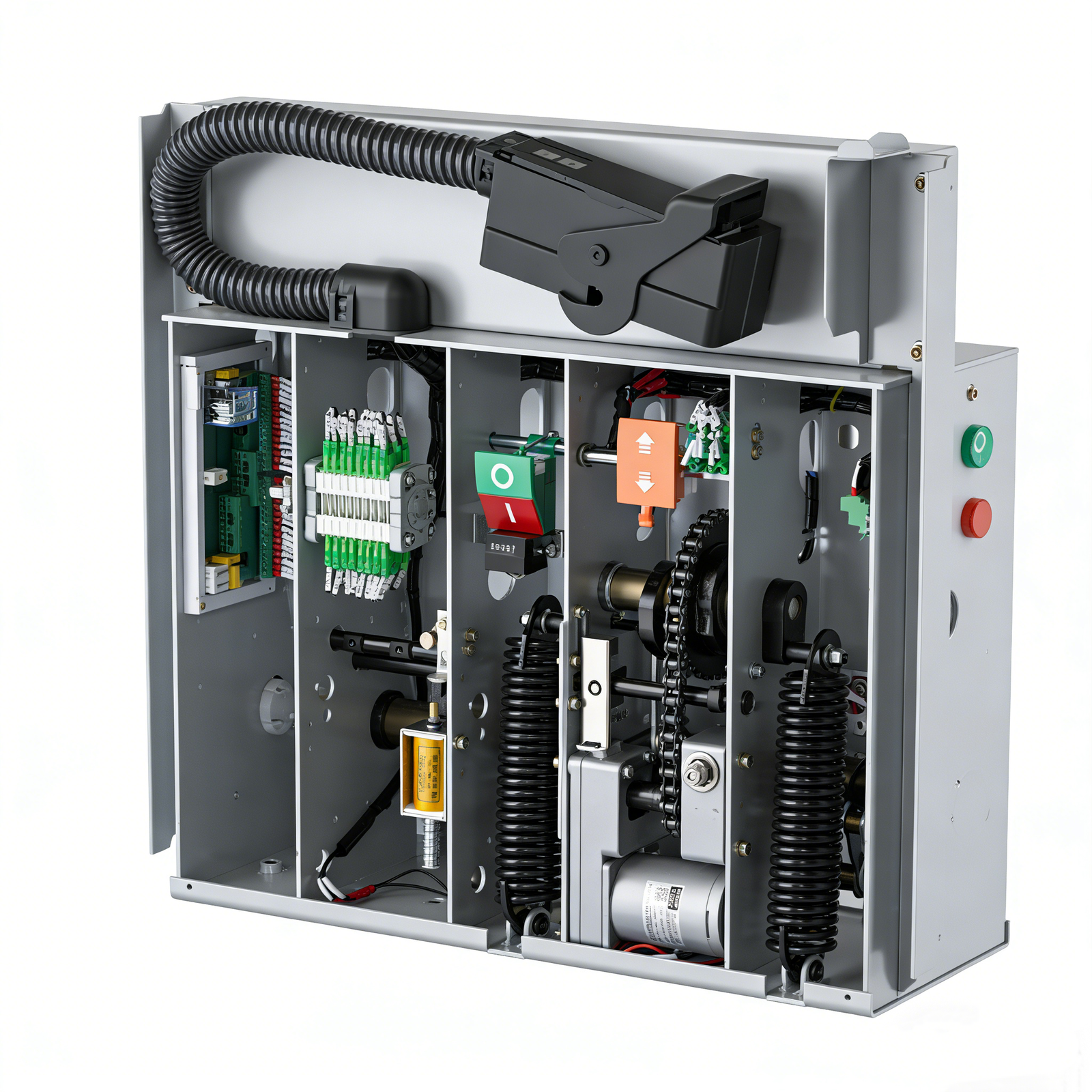
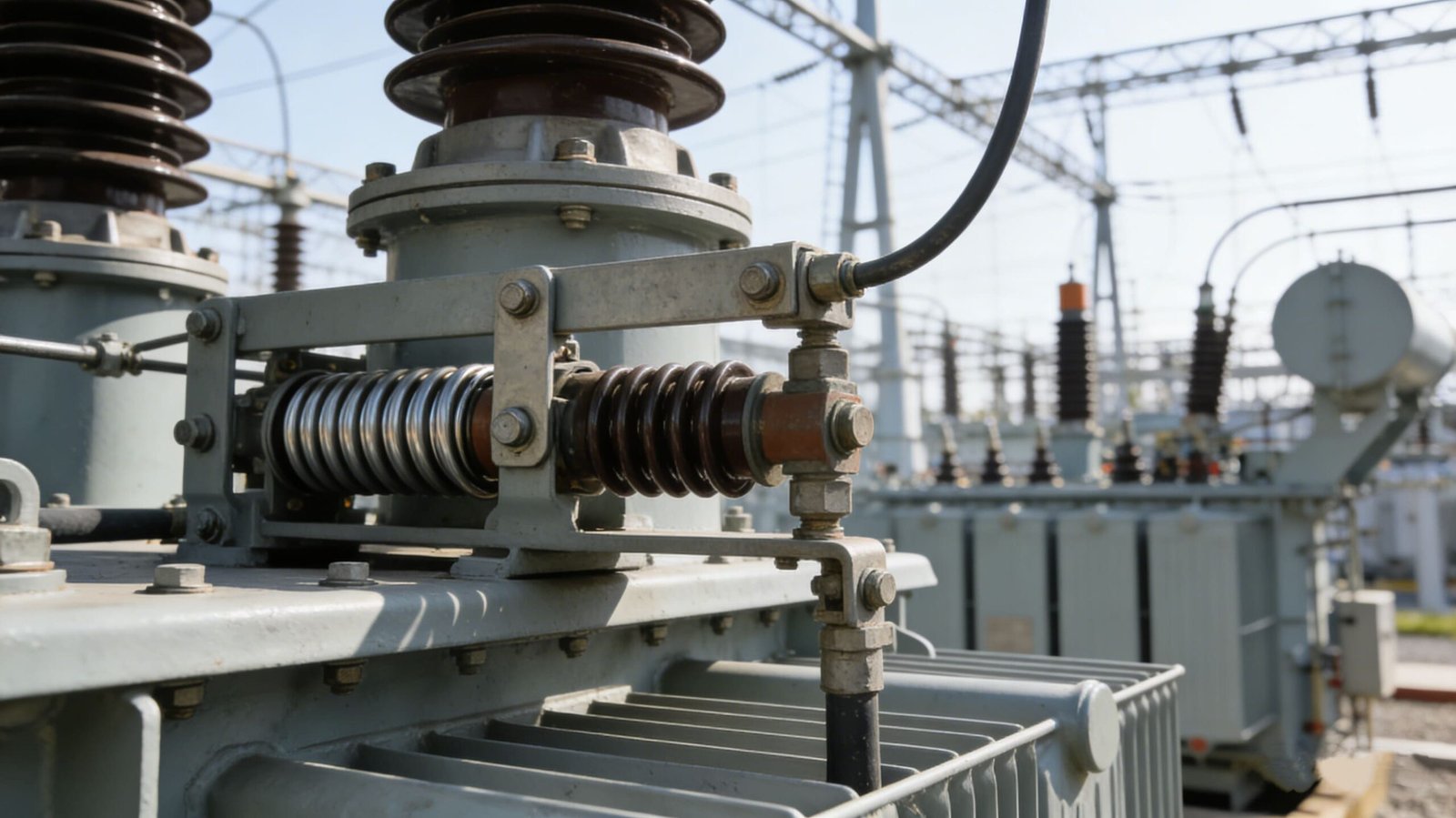
The spring-operated mechanism is a mechanical driving device based on the “spring energy storage – energy release” mechanism.
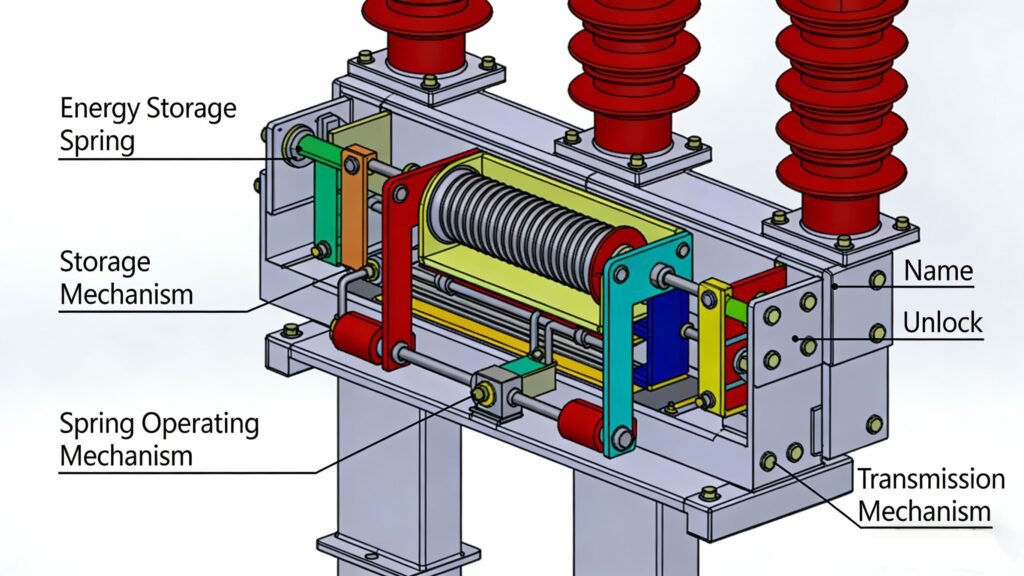
1. Four Core Components: Energy storage spring, energy storage mechanism, unlocking mechanism, transmission mechanism.
2. Energy Storage: Motor or manual compression of the spring to store elastic potential energy.
3. Standby: Spring pre-tensioned, mechanism locked for stability.
4. Action: Upon receiving signals, the unlocking mechanism is activated, releasing spring energy. The transmission mechanism drives rapid contact opening/closing (≤60ms open, ≤80ms close), enabling circuit on/off control.
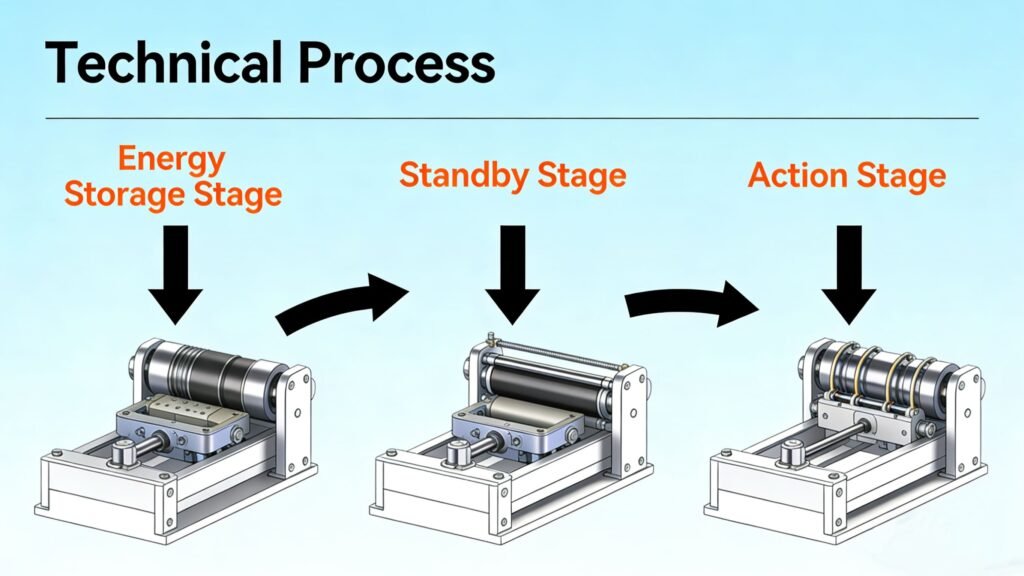
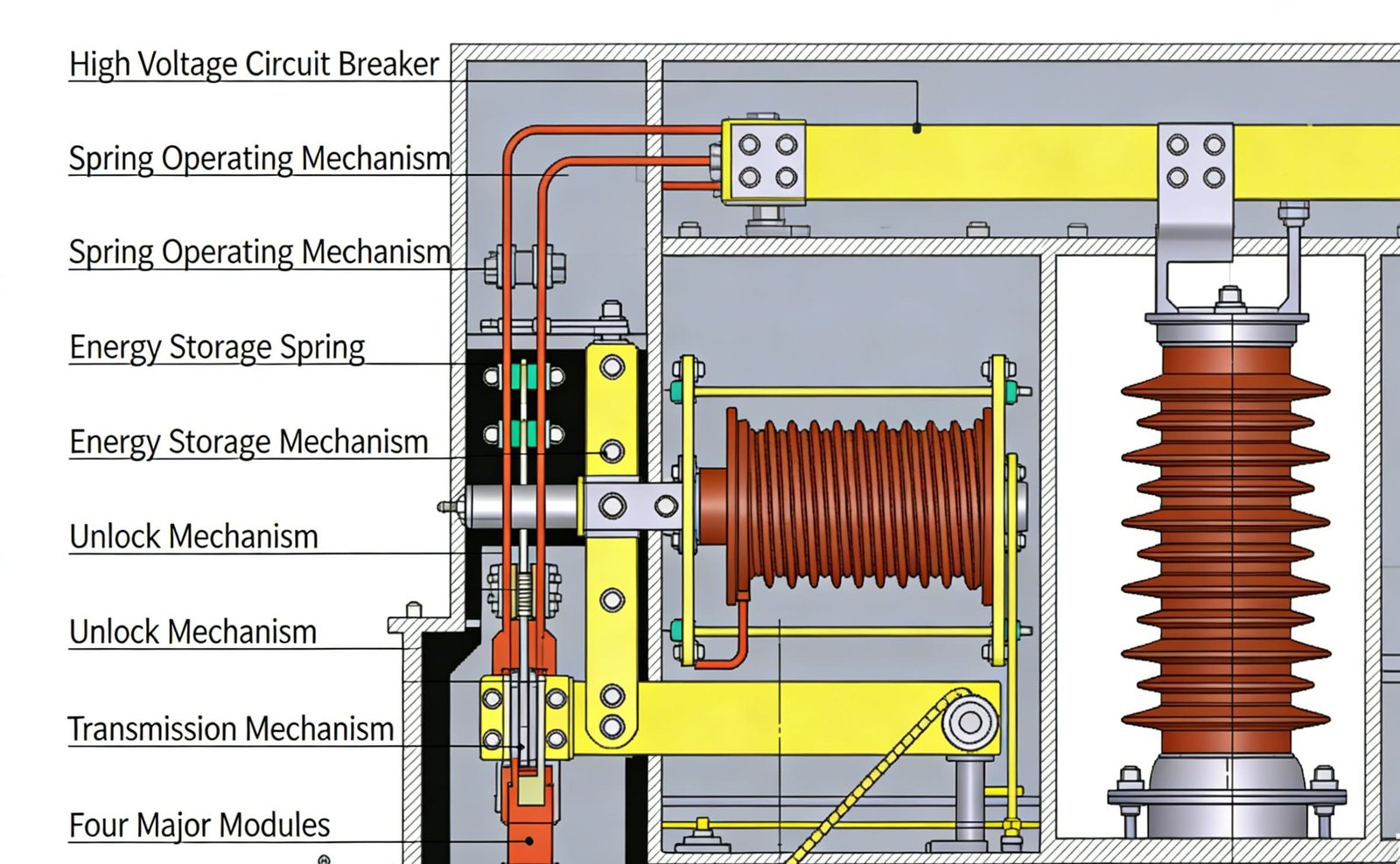
Diagram of High-Voltage Circuit Breaker (Spring Operating Mechanism)
II. Key Technical Features of High/Intermediate Pressure Scenarios
1. Long-Lasting Durability: High-strength alloy springs with a lifespan of over 10,000 cycles.
2.Wide Voltage & Energy-Saving: Supports AC220V/DC110V and other voltages, with an energy storage power ≤ 500W.
3. Safety & Reliability: IP54/IP65 protection for complex environments, plus anti-misoperation and overload protection.
4. Intelligent Linkage: Works with microcomputer protection and remote control systems for real-time status monitoring and alerts.
III. Industry Applications and Value Realization
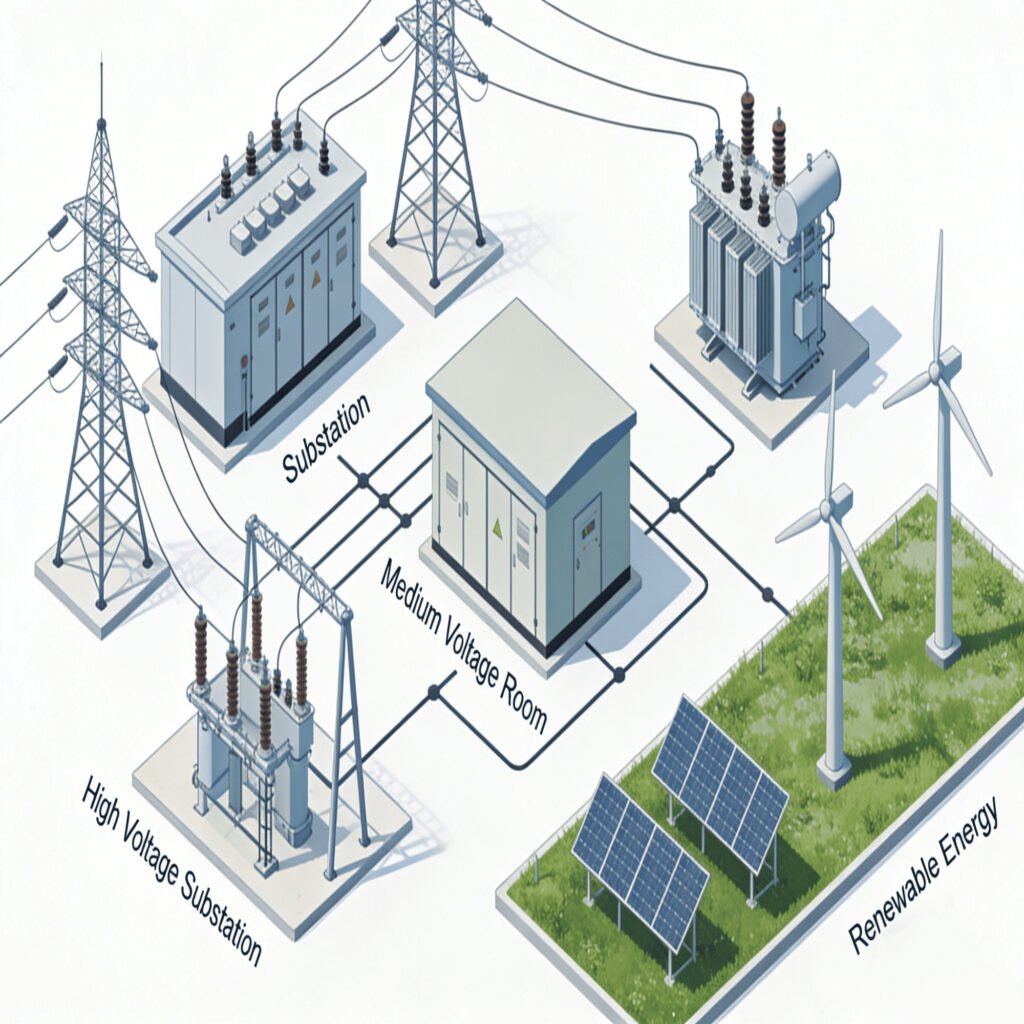
In 10kV distribution rooms, 35kV substations, and new energy power stations, the spring operating mechanism, characterized by its long maintenance-free period, high reliability, and strong adaptability, has become the primary choice for circuit breakers.