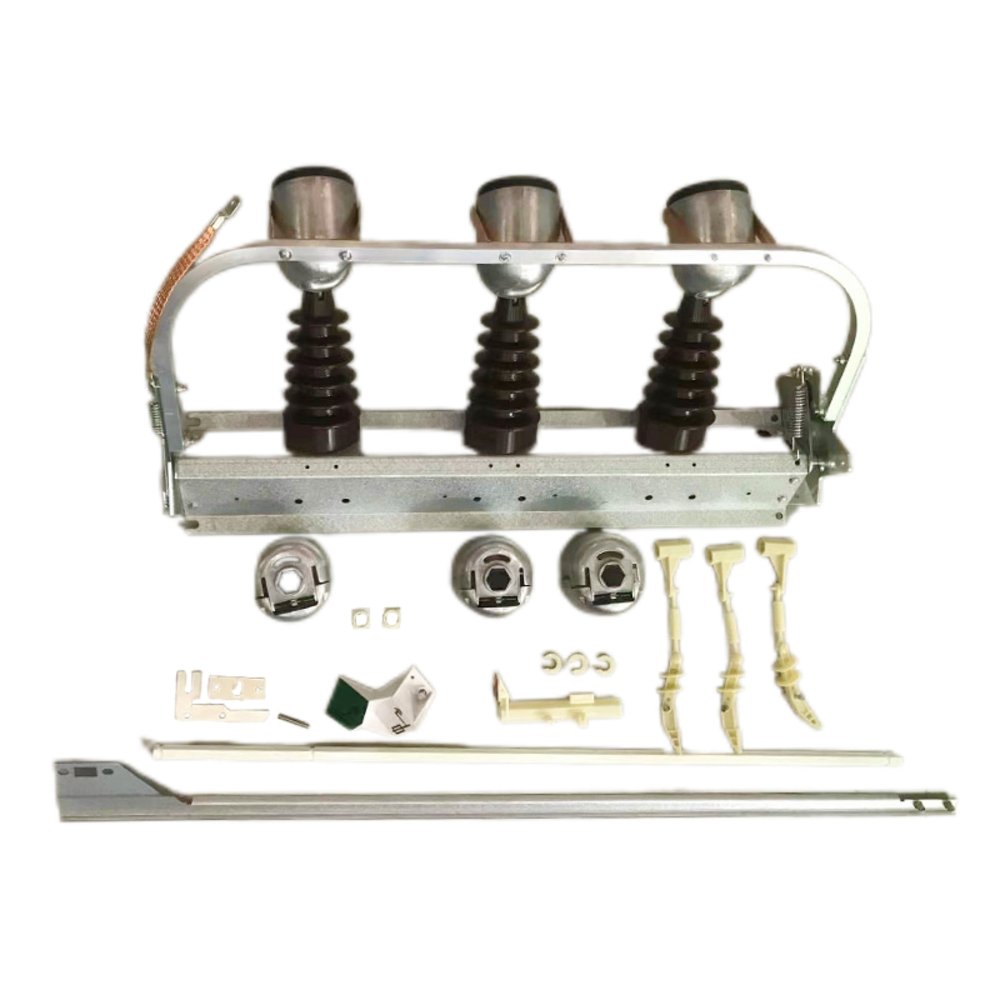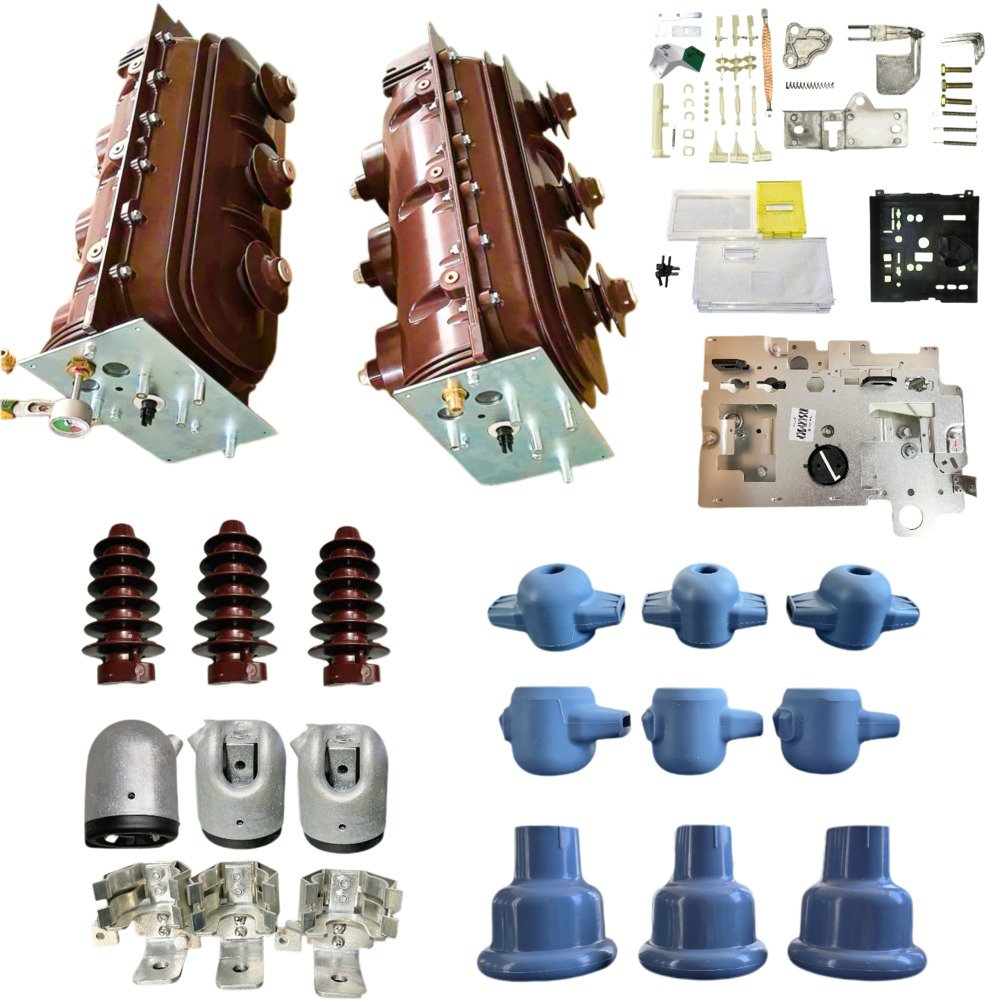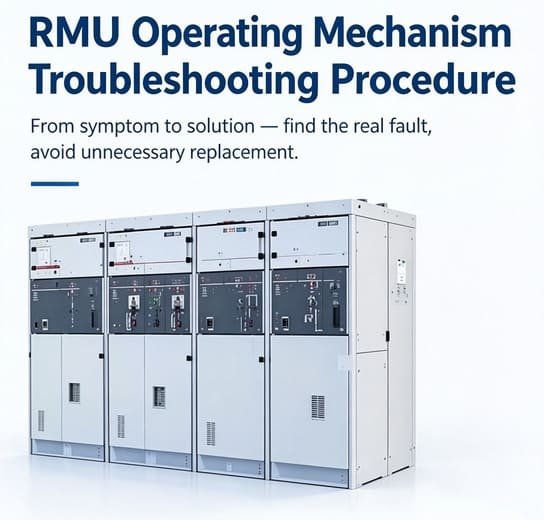

A grounding switch is a mechanical grounding device designed to discharge static electricity from equipment and circuits under maintenance and to ensure the personal safety of maintenance personnel during power-off repairs. As an essential component in medium and high-voltage power systems, it plays a key role in operational safety and equipment protection.
It can withstand current for a limited time under abnormal conditions (such as short circuits) but does not carry load current under normal conditions. It is typically an integral part of a disconnect switch in distribution and substation equipment.
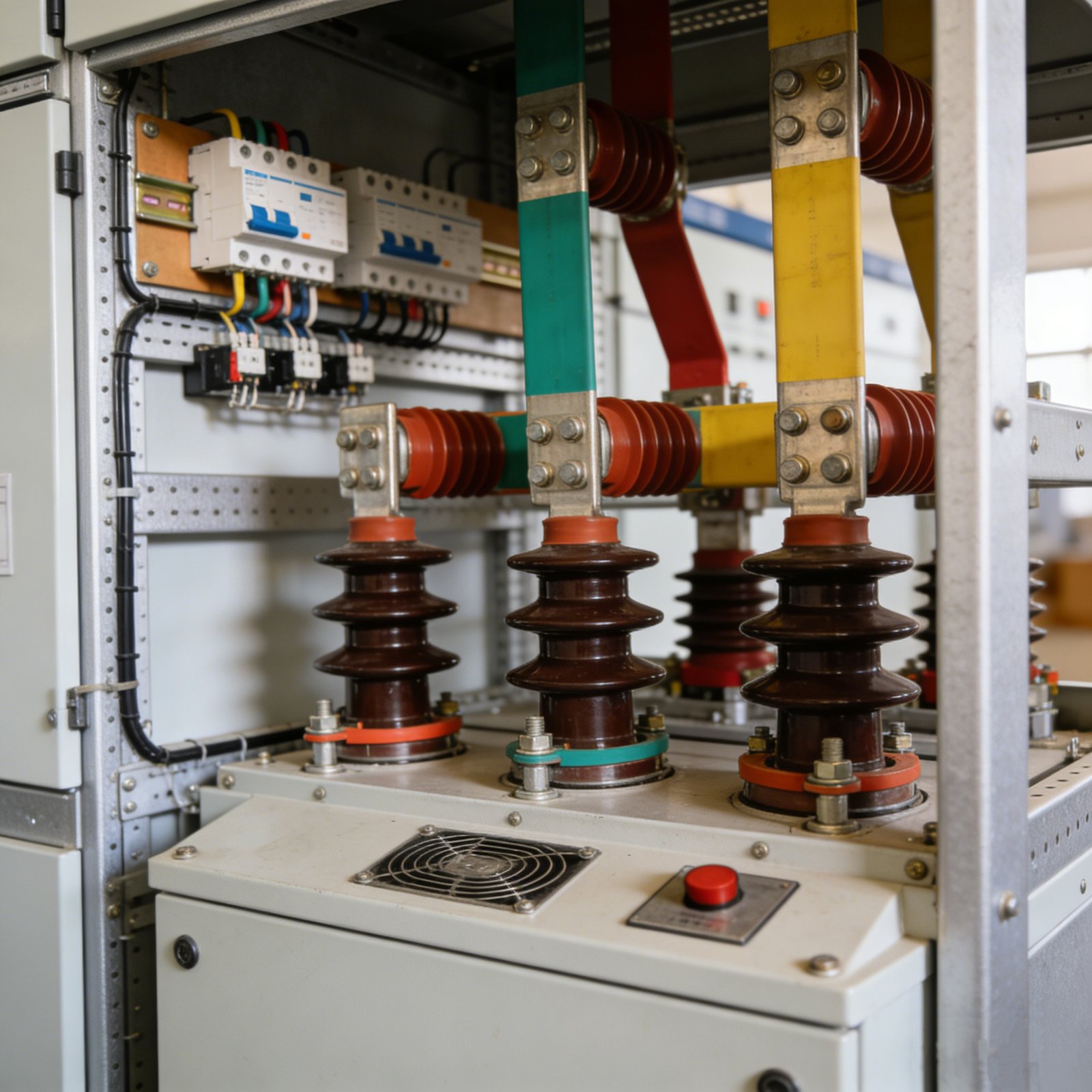
I. Function of an Earthing Switch
1. Ensuring Maintenance Safety:
By reliably grounding equipment to discharge residual charges and neutralize induced voltages, the earthing switch maintains the system at a zero-potential state, eliminating the risk of electric shock for maintenance personnel. This is the core function of earthing switch in power system maintenance.
2. Limiting fault voltage:
The earthing switch works in conjunction with surge arresters to divert excess charge generated by lightning strikes and switching overvoltages, thereby protecting equipment insulation from damage. This function is critical for medium voltage and high voltage switchgear.
3. Auxiliary Debugging and Troubleshooting:
The grounding switch can establish controllable ground fault points to simulate faults for testing the reliability of relay protection devices. It is also widely used for post-maintenance insulation testing of power lines and substation equipment.
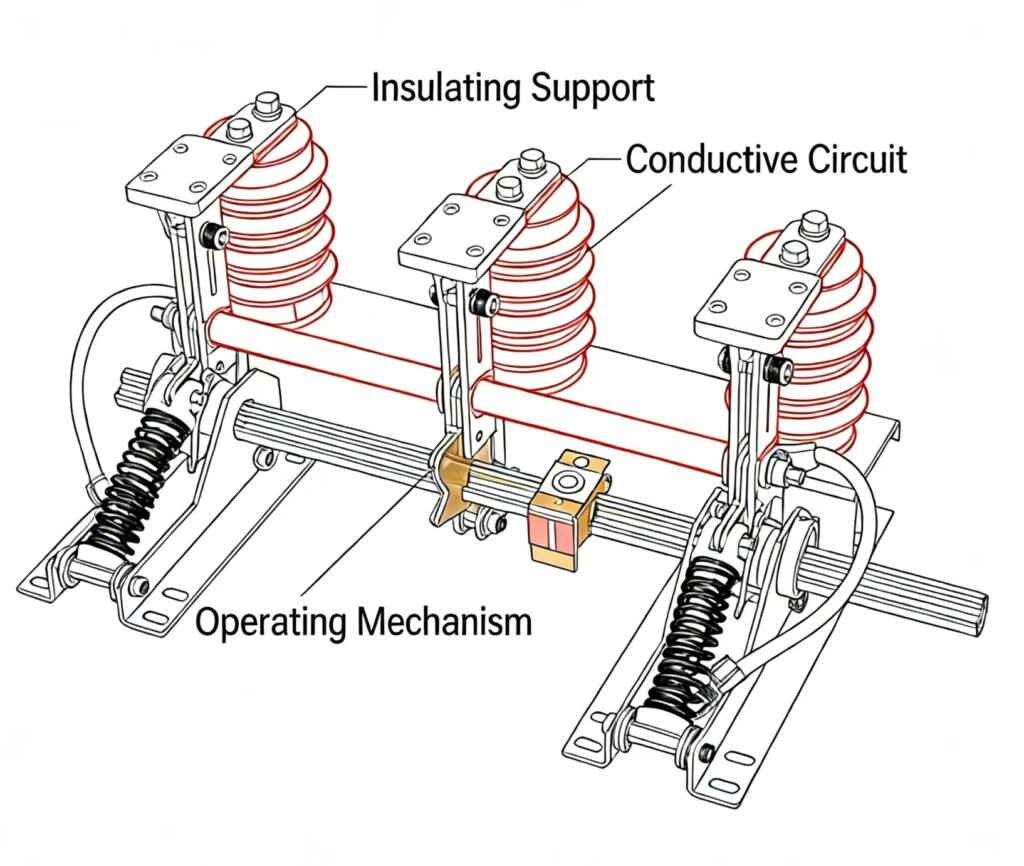
II. Earthing Switch Application Scenarios
1. Line maintenance safety grounding: As a safety device, the earthing switch ensures equipment and personnel safety during power outage maintenance, which is the most common earthing switch application.
2. Disconnecting Induced Electricity: It effectively handles induced voltage and current after power outages on shared towers or adjacent parallel overhead lines, especially in urban and industrial power distribution networks.
3. Closing Short-Circuit Current: The earthing switch is suitable for various voltage and current conditions, and is capable of closing rated short-circuit closing currents in substations and switchgear systems.
4. Maintenance and Testing Support: It provides stable grounding for power system fault simulation and line insulation condition testing, supporting safe commissioning in GIS and conventional substations.
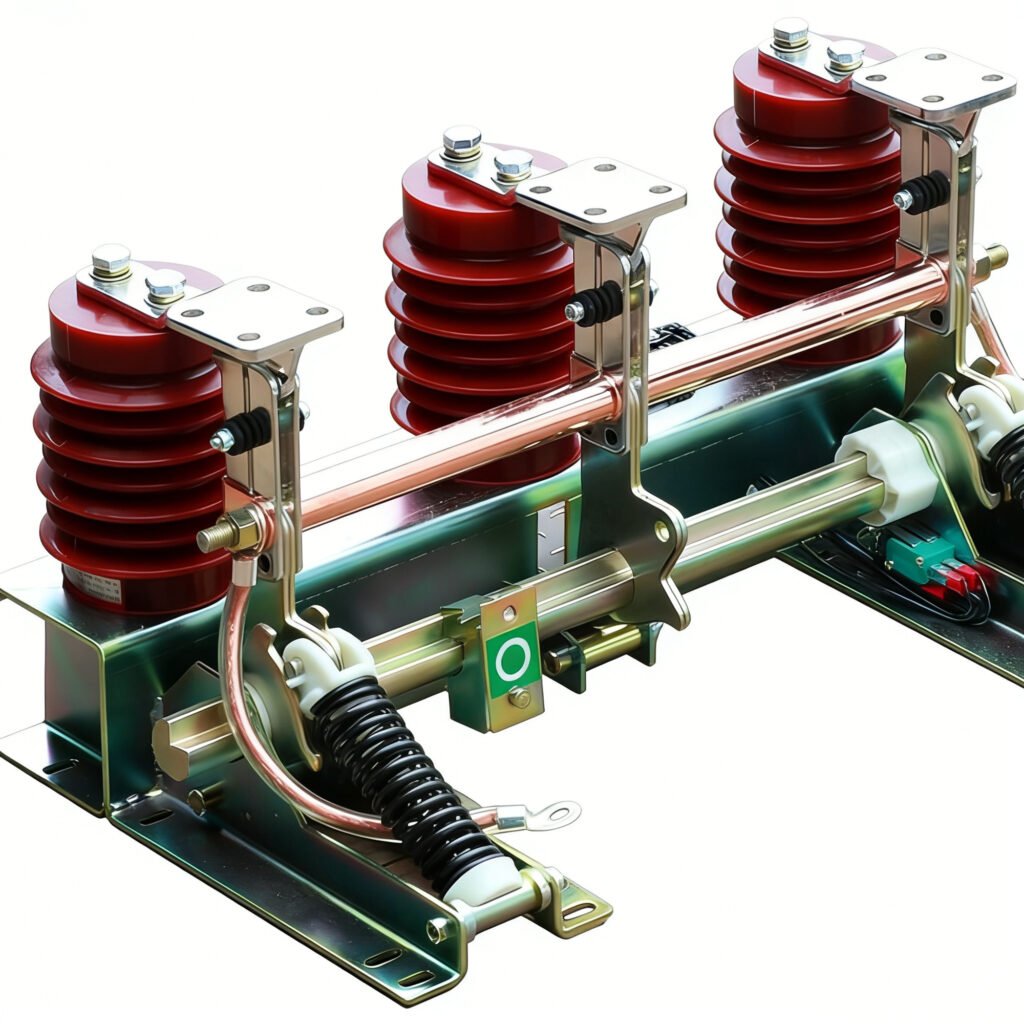
Related articles:https://xizienergy.com/whats-the-differences-between-indoor-earthing-switch-and-sf%e2%82%86-load-break-earthing-switch/
III.Types of Earthing Switchs
1. Maintenance Grounding Switch: Primarily used to establish a safety grounding loop during equipment maintenance, with operation aligned to standard procedures. It is the most widely used type of earthing switch in power systems.
2. Rapid-Closing Fault Grounding Switch: Features rapid response capability, enabling swift closure during system ground faults to limit fault currents and overvoltages. It is widely applied in high voltage earthing switch assemblies and HVDC converter stations.
From an application perspective, earthing switches cover all voltage levels in power systems. In conventional open-type substations, they are often installed alongside disconnectors on the line side and busbar side.
In advanced power equipment such as GIS (Gas-Insulated Switchgear) and HVDC (High-Voltage Direct Current) converter stations, built-in grounding switches are critical components for ensuring internal maintenance safety and limiting internal overvoltages.
Need reliable earthing switches for your substation or switchgear project? Contact our engineering team to discuss custom solutions, technical specifications, and compliance with IEC standards.