
SF6 Density Gauge False Alarms: How Temperature Impacts RMU SF6 Density Relays
If you maintain RMUs or medium-voltage switchgear, you’ve almost certainly run into this headache.
A low-density alarm pops up out of nowhere. Your team suspects an SF6 leak and heads onsite for inspection, yet hours of troubleshooting turn up zero gas loss.
In most cases, shifting ambient temperature is the real culprit, not escaping SF6, and a properly calibrated SF6 density gauge can drastically cut these nuisance alerts.
1.Root Cause: Temperature Effect on SF6 Density Gauge
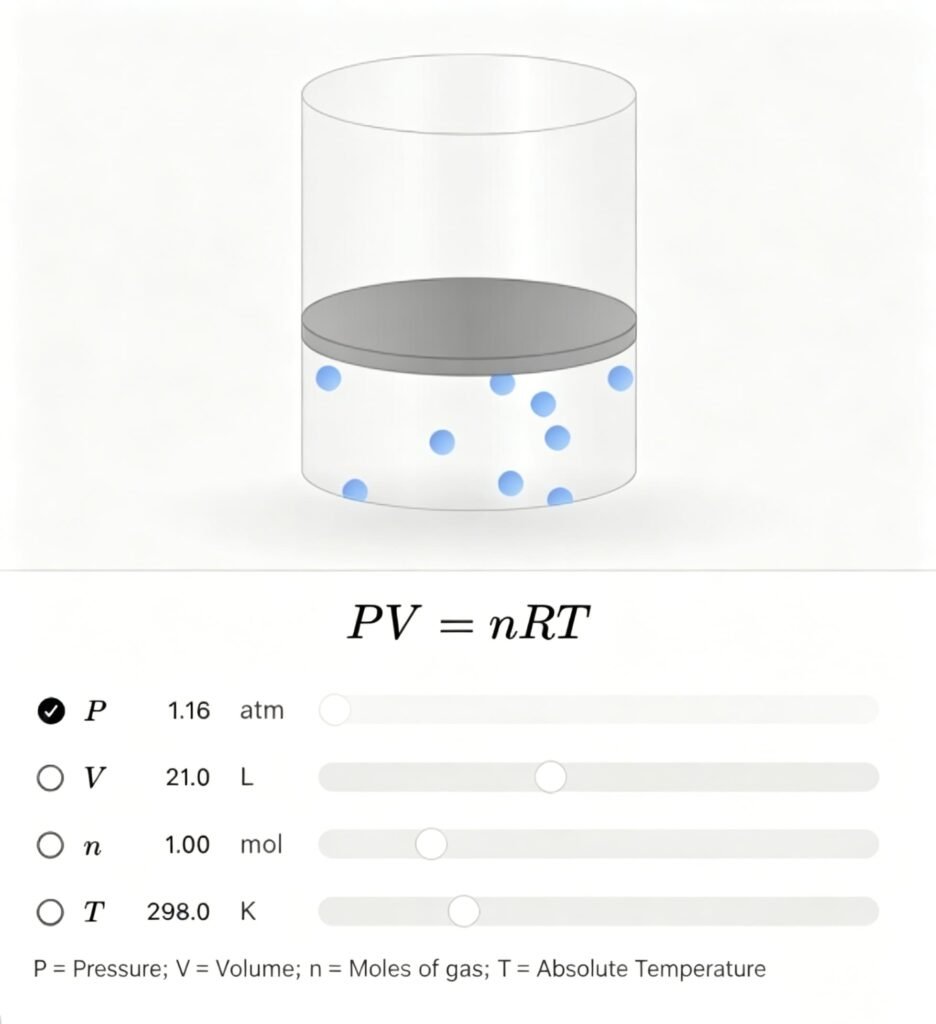
1.1 How Ambient Temperature Shifts SF6 Gas Pressure Inside Sealed RMU Chambers
SF6 expands with heat and contracts in cold conditions, a basic gas property. Inside hermetically sealed switchgear chambers, gas volume and total mass stay fixed, but internal pressure fluctuates directly alongside ambient temperature.
For reference: cooling from 20°C down to -25°C cuts internal pressure by roughly 0.076 MPa, enough to hit standard low-pressure alarm thresholds with no leak whatsoever. Outdoor RMUs and field substations bear the brunt of this issue, especially amid sharp seasonal temperature swings in winter.
1.2 Why Cold Weather Triggers SF6 Density Gauge False Alarm Most Frequently
Winter low temperatures are the top source of SF6 density gauge false alarm events across global RMU installations. When ambient temperatures drop rapidly overnight or during cold seasons, sealed SF6 gas shrinks uniformly, lowering internal pressure without any gas escaping the compartment.
Many standard alarm thresholds are calibrated at a reference 20°C, so cold-induced pressure drops easily cross trigger values. Sites located in northern cold zones or high-altitude outdoor substations report 3–5x more nuisance low-density alerts between late autumn and early spring compared to mild weather months.
1.3 Thermal Mismatch Creates Deviation Between Relay and Compartment Gas
Even if overall cabinet temperature is stable, localized heat sources create a temperature gap between the SF6 density relay sensor and the bulk SF6 gas inside the main chamber. Busbar load heat, transformer radiation, poor ventilation, or direct sunlight can heat the relay housing while the insulated gas tank remains cooler.
This uneven thermal profile breaks the core assumption of density calculation: that relay sensor temperature matches gas temperature. Any ΔT difference will skew density math and produce unreliable, often low, readings that trigger unnecessary alarms.
2. SF6 Density Relay Temperature Compensation Working Principle & Limitations
2.1 Core Mechanism of Temperature Compensated Density Relay
A temperature compensated density relay integrates two critical sensing components: a Bourdon pressure tube and a bimetallic temperature strip. The bimetal strip expands and contracts to offset pressure changes caused purely by temperature fluctuation, isolating true density loss from thermal pressure shifts.
This design is the core feature of every qualified SF6 gas density relay, engineered to deliver consistent readings across a wide rated operating window. Without this built-in compensation, simple pressure gauges cannot distinguish leaks from temperature swings at all.
2.2 Weak Points of Standard Compensation Under Rapid Temperature Swings
Factory temperature compensation performs reliably under slow, gradual temperature shifts and steady indoor conditions. However, rapid extreme swings—such as sudden cold fronts, midday intense sunlight followed by night frost—push standard compensation elements to their response limits.
Bimetal strips require short lag time to adjust, creating temporary reading deviation during fast weather changes. Budget-grade temperature compensated density relay models use thinner, lower-grade bimetal materials with slower reaction speeds, amplifying temporary false alarm risks. You can maintain stable compensation performance through regular annual SF6 density gauge calibration service.
2.3 How Direct Sunlight Ruins SF6 Gas Density Relay Reading Accuracy
Unshaded RMU cabinet panels exposed to full midday solar radiation transfer significant heat directly to mounted SF6 density gauge units. The relay body heats far faster than the large insulated gas compartment inside the switchgear, generating a large positive temperature difference between sensor and gas.
This one-sided thermal load overrides compensation balance, forcing the relay to calculate artificially low density values and fire false low-density alarms. Even partial afternoon sun exposure creates measurable reading drift for unprotected SF6 density monitor for RMU hardware.
3. Real Field Case: SF6 Density Relay False Alarm From Busbar Heat
3.1 10°C Temperature Gap Causes Artificial Low-Density Alerts
One outdoor 24kV switchgear installation repeatedly generated low-density alarmsduring summer operation.
Initial leak inspections found no signs of SF6 loss, and gas records remained stable. Engineers also noticed that the alarms often cleared automatically later in the day.
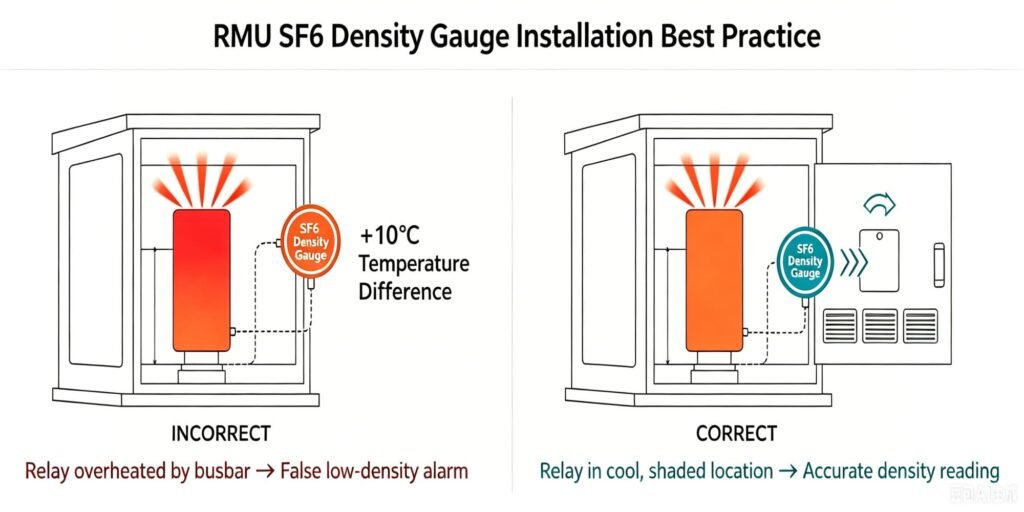
Further investigation revealed that the SF6 density relay had been installed close to load-carrying busbar.During operation, heat from the busbar raised the relaytemperature by roughly 10°C above the actual gas temperature inside thecompartment.
This temperature difference caused the relay to calculate an artificially low density value and trigger nuisance alarms throughout peak load hours.
3.2 Post-Relocation Test Proves Cool Mounting Fixes Nuisance Alarms
The maintenance team relocated the SF6 density gauge to a ventilated shaded cabinet zone far from the heated busbar assembly. After re-calibrating the unit to factory specs, the site ran a full 3-month summer monitoring cycle with zero repeat false low-density alerts.
The case highlights a universal outdoor RMU pain point: unoptimized mounting placement creates relay-to-gas temperature gaps that perfectly mimic the pressure signature of a slow SF6 leak.
The split schematic clearly contrasts the overheated incorrect mounting and cool ventilated correct installation position for long-term stable readings.
4. Performance Comparison: Temperature Compensated Density Relay Grades
4.1 Budget vs Premium SF6 Density Gauge Deviation Test Data (-40°C ~ +60°C)
Laboratory environmental testing spanning -40°C to +60°C reveals stark performance gaps between different density gauge grades:
- Premium field-grade units hold measurement deviation within 0.01 MPa across full temperature range
- Budget models drift over 0.022 MPa at -40°C, easily tripping typical 0.43 MPa alarm limits
| Temperature | Budget Gauge | Premium Gauge |
|---|---|---|
| -40°C | 0.023 MPa | 0.009 MPa |
| -25°C | 0.018 MPa | 0.006 MPa |
| -10°C | 0.009 MPa | 0.003 MPa |
| +20°C | 0.000 MPa (baseline) | 0.000 MPa (baseline) |
| +40°C | 0.012 MPa | 0.004 MPa |
| +60°C | 0.019 MPa | 0.008 MPa |
📊 Data Source: Xizi Energy Internal Lab Test
Full test methodology, gauge models, and field case study:
SF6 Density Gauge False Alarms: How Temperature Affects SF6 Density Relays in RMU Switchgear
🔗 https://xizienergy.com/sf6-density-gauge-false-alarms-how-temperature-affects-sf6-density-relays-in-rmu-switchgear/
*This chart is shared under CC BY-ND 4.0. Free to use with proper attribution.*
4.2 Which Temperature Compensated Density Relay Fits Outdoor RMU Sites
For sites enduring frigid winter lows below -25°C, coastal high-humidity heat cycles, or unshaded solar exposure, only premium fully temperature compensated density relay hardware delivers reliable long-term operation.
Budget units are only suitable for climate-controlled indoor substations with minimal temperature fluctuation. For RM6, SafeRing, XGN15 and mainstream outdoor ring main units, aftermarket premium SF6 gas density relay assemblies eliminate temperature-driven false alarm overhead for utility maintenance crews.
5. Three Practical Fixes to Minimize Temperature-Driven Alarms
Temperature interference cannot be fully eliminated, but three field-proven steps drastically reduce false alerts.
5.1. Specify application-matched density gauges
For outdoor or variable-climate installations, opt for models equipped with dynamic temperature compensation. Aftermarket units tailored for RM6, SafeRing and XGN15 cabinet types deliver far more stable field performance.
5.2. Optimize relay mounting positions
Keep gauges away from direct sunlight, hot busbar zones and transformer heat sources. Install in shaded, well-ventilated spots to align sensor temperature with internal gas temperature as closely as possible.
5.3. Stick to annual routine calibration
Compensation accuracy naturally drifts after long-term field service. Annual checks on alarm thresholds, contact functionality and compensation response take minimal time but prevent countless unnecessary site visits.
6. Quick Guide: Differentiate Genuine Leakage from Temperature Drift
Check historical trending before scheduling gas top-ups or part replacement:
- Actual SF6 leak: Pressure drops gradually over weeks or months with no spontaneous recovery
- Temperature-induced false alarm: Activates abruptly after sudden weather shifts and returns to normal once ambient conditions stabilize
Past trend logs always beat isolated single-point readings for accurate fault judgment.
7. Frequently Asked Questions
How does a temperature compensated density relay operate?
An SF6 density relay calculates real gas density by pairing real-time pressure readings with built-in bimetal temperature compensation. Unlike uncompensated regular pressure gauges, it automatically cancels out ambient temperature drift to reliably track true SF6 fill volume inside sealed switchgear cabinets.
Can temperature swings permanently damage SF6 density gauge components?
Extreme or rapid repeated thermal swings can gradually fatigue compensation bimetal strips and weaken internal linkage mechanisms over many years. While short-term hot/cold spikes won’t break hardware instantly, sustained unprotected exposure accelerates wear and shortens the service lifespan of SF6 density gauge assemblies. Annual inspections catch early compensation degradation before accuracy fails.
Is an SF6 density monitor for RMU interchangeable between RM6 and SafeRing?
Premium aftermarket SF6 density monitor for RMU models feature standardized connection interfaces and mounting flange dimensions compatible with Schneider RM6, SafeRing, SafePlus and XGN15 ring main unit platforms. Budget generic gauges often use non-standard fittings and cannot be retrofitted across multiple RMU cabinet designs without adapter modifications.
What is the standard service cycle for SF6 density relay calibration?
Global IEC utility standards recommend full functional calibration once per calendar year for all SF6 gas density relay units installed in medium-voltage RMU and GIS switchgear. Sites with extreme temperature cycling (cold northern zones, desert hot zones) may benefit from bi-annual half-check inspections between full annual calibrations.
Key Takeaways
- Temperature fluctuation is one of the most common causes of falseSF6 density alarms.
- A low-density alarm does not always indicate SF6 leakage.
- Thermal differences between the density relay and the gascompartment can produce inaccurate readings.
- Proper relay installation is critical for accurate monitoring.
- High-quality temperature-compensated gauges provide betterstability in extreme climates.
- Historical trend data is often the quickest way to distinguish leakagefrom temperature-related pressure changes.
Wrap-up
Don’t jump to gas-leak conclusions every time an SF6 density alarm triggers on RMU or medium-voltage gear.
Temperature swings create far more false alerts than real leakage in field practice. Proper gauge selection, standardized mounting and yearly calibration keep monitoring steady and cut wasted maintenance costs significantly.
Looking for robust aftermarket SF6 density gauges?
We supply temperature-hardened density gauges and relays compatible with RM6, SafeRing, SafePlus, XGN15 and mainstream medium-voltage switchgear. Lab-certified for -40°C ~ +60°C operation to suppress temperature-caused false alarms. Reach out to our engineering team for datasheets, OEM customization and replacement proposals.
Professional Medium & High Voltage Electrical Equipment Manufacturer