
Low Voltage vs Medium Voltage Switchgear: Key Differences and Safety Concerns
Switchgear plays a key role in power distribution systems. It keeps electrical systems safe, efficient, and stable for homes, commercial buildings, and industrial sites.
Choosing the right low voltage (LV) or medium voltage (MV) switchgear is very important. Using the wrong type can cause safety problems and equipment damage.
This article explains the basic differences between LV and MV switchgear, the risks of using LV switchgear in MV systems, and simple safety rules for practical use.
Contents
1. Main Technical Differences Between LV and MV Switchgear
LV and MV switchgear have different structures and technical features. These differences decide their use cases, protection effects, and working stability. The key differences are listed below with detailed technical parameters.
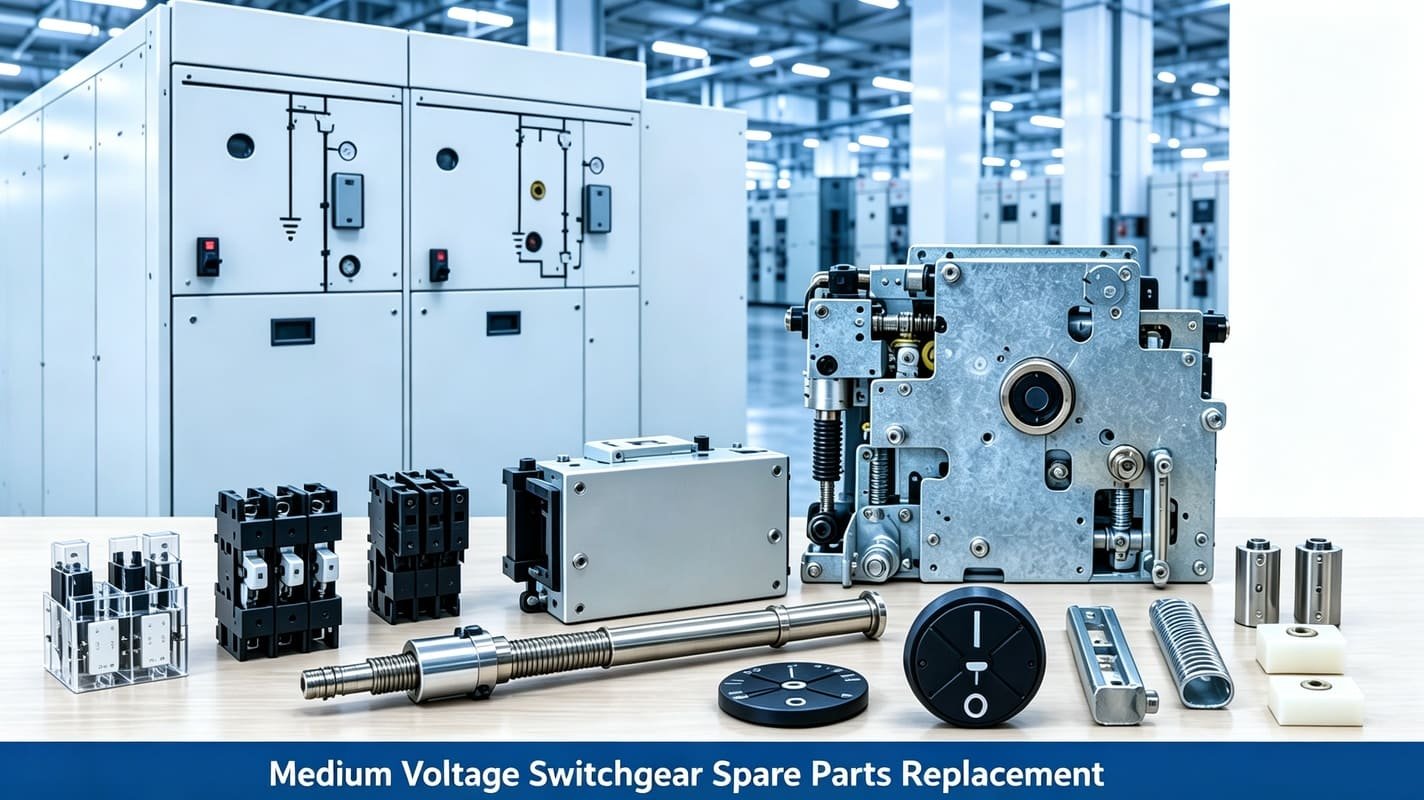
To better understand the internal structure, you can learn about What Are the Key Components of Medium Voltage Switchgear that ensure safe and stable operation.
1.1 Working Voltage and Insulation
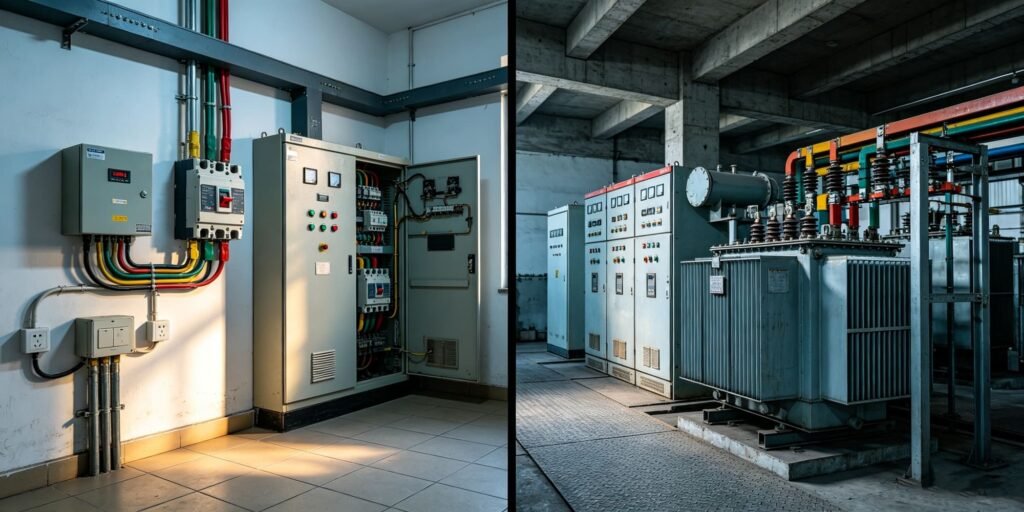
LV switchgear is made for low voltage working environments with low insulation pressure. MV systems have higher voltage and stronger electric field force. If people use LV switchgear in MV systems, its insulation structure will fail. This causes electric leakage, flashover, and continuous electric arc faults. LV insulation needs to bear voltage below 1 kV, while MV insulation must resist voltage up to 36 kV. The insulation strength of LV products cannot support long-term work in medium voltage environments.
1.2 Fault Current Breaking Ability
LV circuit breakers and switches have a weak ability to cut off short-circuit current, compared with professional MV switchgear. When short-circuit faults happen in MV systems, LV devices cannot clear the fault completely. This makes the whole power system unstable and brings safety risks. In actual use, most LV switchgear can only break fault current below 10 kA. Standard MV switchgear is designed to break fault current from 20 kA to 50 kA. This big gap means LV devices will burn out or stick tight when facing high fault current in MV circuits.
1.3 Electrical Gap and Creepage Distance
LV switchgear cabinets and internal busbars are designed with small internal gaps. These gaps are too small to meet the safety standards of MV systems. Insufficient spacing easily causes flashover and electric tracking under high voltage conditions. Electrical clearance means the straight distance between live parts. Creepage distance means the surface distance along insulation materials. For systems under 1 kV, the required clearance and creepage distance are short. For 1 kV to 36 kV systems, both values increase greatly. LV equipment does not reserve enough space, so electric sparks can jump across gaps easily.
1.4 Grounding and Protection Matching
MV power systems have fixed grounding methods and professional protection matching rules. LV switchgear does not support these rules. Using LV equipment in MV systems leads to wrong grounding and failed protection. Finally, the whole power system may break down completely. MV systems use multi-level protection to cut off faults step by step. LV protection settings are simple and only fit low-load circuits. The two sets of protection modes cannot work together normally.
1.5 Mechanical Structure and Arc Protection
MV switchgear has special arc-resistant shells and pressure relief structures to reduce arc flash damage. Standard LV switchgear does not have these safety designs. When faults occur, LV equipment cannot block arc impact, which easily causes internal explosions and electrical fires.
1.6 Industry Standards and Safety Rules
LV switchgear only follows low-voltage industry standards, mainly IEC 61439. Using LV switchgear in MV systems violates official safety codes. This will make insurance invalid and bring legal risks to project operators. MV switchgear strictly follows IEC 62271. Every part is tested and checked according to this standard for high voltage operation.
| Parameter | Low Voltage (LV) Switchgear | Medium Voltage (MV) Switchgear |
|---|---|---|
| Operating Voltage | < 1 kV | 1 kV – 36 kV |
| Insulation Requirement | Basic insulation for low pressure | Reinforced insulation for high electric field |
| Fault Current Breaking Capacity | Typically < 10 kA | 20 kA – 50 kA |
| Electrical Clearance | Small (mm level) | Large (cm level, voltage dependent) |
| Arc Flash Protection | None or basic | Arc-resistant shell, pressure relief |
| Governing Standard | IEC 61439 | IEC 62271 |
2. Risks of Using LV Switchgear in MV Systems
Replacing professional MV switchgear with LV equipment causes immediate faults, long-term system damage, and many hidden dangers in power distribution systems.
2.1 Sudden Electrical Faults
Voltage mismatch destroys LV insulation and causes flashover between wires and the ground. Uncontrolled electric arcs may crack equipment shells, throw out metal debris, and trigger large electrical fires. LV devices cannot cut off fault current completely, which sticks internal contacts and damages parts. The fault will spread and destroy other upstream and downstream electrical equipment. One of the most dangerous hazards here is arc flash. An arc flash is a powerful burst of heat and light caused by electric faults. In MV systems, arc flash temperature can reach thousands of degrees Celsius. It can burn equipment instantly and hurt workers within several meters. Industry safety reports show that more than 30% of electrical injuries in medium voltage sites are caused by misusing low voltage switchgear.
2.2 Damage to Supporting Equipment
Wrong switchgear usage sends abnormal voltage and fault current to transformers, cables, motors, and protection relays. These key devices will suffer permanent damage and stop working normally. Repair or replacement of these devices will cost a large amount of money.
2.3 Dangers to Workers
Using LV switchgear in MV systems greatly increases the chance of arc explosions, electric shocks, and fires. These accidents can seriously injure or kill on-site operation and maintenance staff. Arc flash accidents leave severe burns and long-term health problems for on-site workers.
2.4 Long-Term Operation and Legal Risks
Long-term overvoltage speeds up the aging of internal wires and parts. This leads to sudden power outages and unstable system operation. Frequent equipment failures increase maintenance and replacement costs. In addition, non-standard equipment use breaks electrical safety rules. Operators may face fines, voided warranties, and rejected insurance claims. Serious cases will lead to legal punishment.
3. Hidden Dangers of Temporary LV Switchgear Use in MV Systems
Many people think LV switchgear can work temporarily in MV systems when voltage and current are stable. This idea is wrong and unsafe. Sudden voltage surges, switching impacts, or system faults will quickly expose the defects of LV equipment. Without proper protection and arc control, small electrical problems can turn into serious system failures. Even if the system runs well for days or weeks, one unexpected surge or short circuit will lead to total failure. Temporary use without professional assessment is never a safe choice for medium voltage circuits.
4. Simple Safety Solutions and Risk Prevention Methods
Using standard switchgear and correct operation methods can keep the power system compliant, stable, and safe.
4.1 Use Matching MV Switchgear
Users should choose MV switchgear that matches the actual system voltage, fault current, and protection needs. This ensures the medium-voltage power system runs safely for a long time. All selected equipment must pass IEC 62271 standard tests. Check our MV switchgear series →
4.2 Standard Rules for Temporary Use
If MV switchgear is not available for temporary work, users need to use transformers to lower the system voltage first. LV switchgear can only be used on the low-voltage side with complete protection devices. Workers must install professional MV protection equipment to monitor high-voltage circuits and control risks. Only low-risk circuits can run during temporary operation. No one is allowed to connect LV devices directly to MV power lines.
4.3 Professional Safety Assessment
Before operation, workers must complete full safety checks. These checks include insulation testing, gap verification, short-circuit current testing, protection parameter adjustment, and arc risk analysis. All work must follow IEC, IEEE and NFPA industry standards.
4.4 Complete On-Site Safety Management
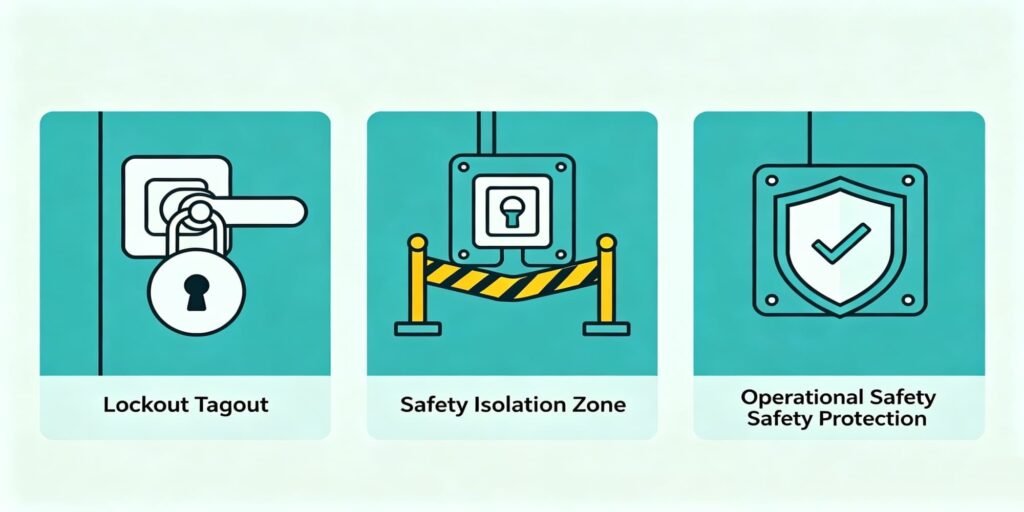
Teams must follow standard power-off and lockout-tagout (LOTO) rules, set up safety isolation zones, wear matched protective equipment (Arc-rated PPE), and prepare emergency plans. These measures can effectively avoid hidden safety risks.
5. Frequently Asked Questions (FAQ)
Q: Can I use LV switchgear temporarily in an MV system?
A: No. Even temporary use risks sudden arc flash, insulation failure, and equipment explosion. Always use MV-rated switchgear or step down voltage with a transformer and operate only on the LV side.
Q: What is the main difference between IEC 61439 and IEC 62271?
A: IEC 61439 applies to low-voltage switchgear (≤1 kV). IEC 62271 applies to medium-voltage switchgear (1 kV to 36 kV) with stricter insulation, clearance, and arc testing.
Q: How do I calculate electrical clearance for MV switchgear?
A: Clearance depends on system voltage, altitude, and pollution degree. For 12 kV systems, minimum clearance is typically 125 mm (air) following IEC 62271-1. Consult your engineer or local code.
Q: What PPE is required when working near MV switchgear?
A: Arc-rated suit, helmet with face shield, voltage-rated gloves, and hearing protection. Follow NFPA 70E (US) or local equivalent standard.
Last updated: | Xizi Energy Technical Team