
Siemens switchgear is a combination device that integrates electrical components such as circuit breakers, disconnect switches, instrument transformers, and protective relays into a sealed metal enclosure through standardized modular assembly.
Their core advantages lie in modular design and comprehensive type testing assurance—whether the low-voltage SIVACON series (rated current up to 7400A) or the high-voltage 8DA10 type (rated voltage up to 40.5kV), both employ prefabricated modular combinations.
These can be flexibly configured according to power distribution requirements, with each unit undergoing type testing to validate safety and reliability.
Siemens 8DJH series medium voltage GIS switchgear has long been widely applied in urban secondary distribution, new energy stations and industrial power supply scenarios around the world. If you are looking for a cost-effective, fully dimension-compatible replacement unit for this cabinet for your engineering projects, you can check our finished product:24kV GIS Switchgear Fully Compatible with Siemens 8DJH
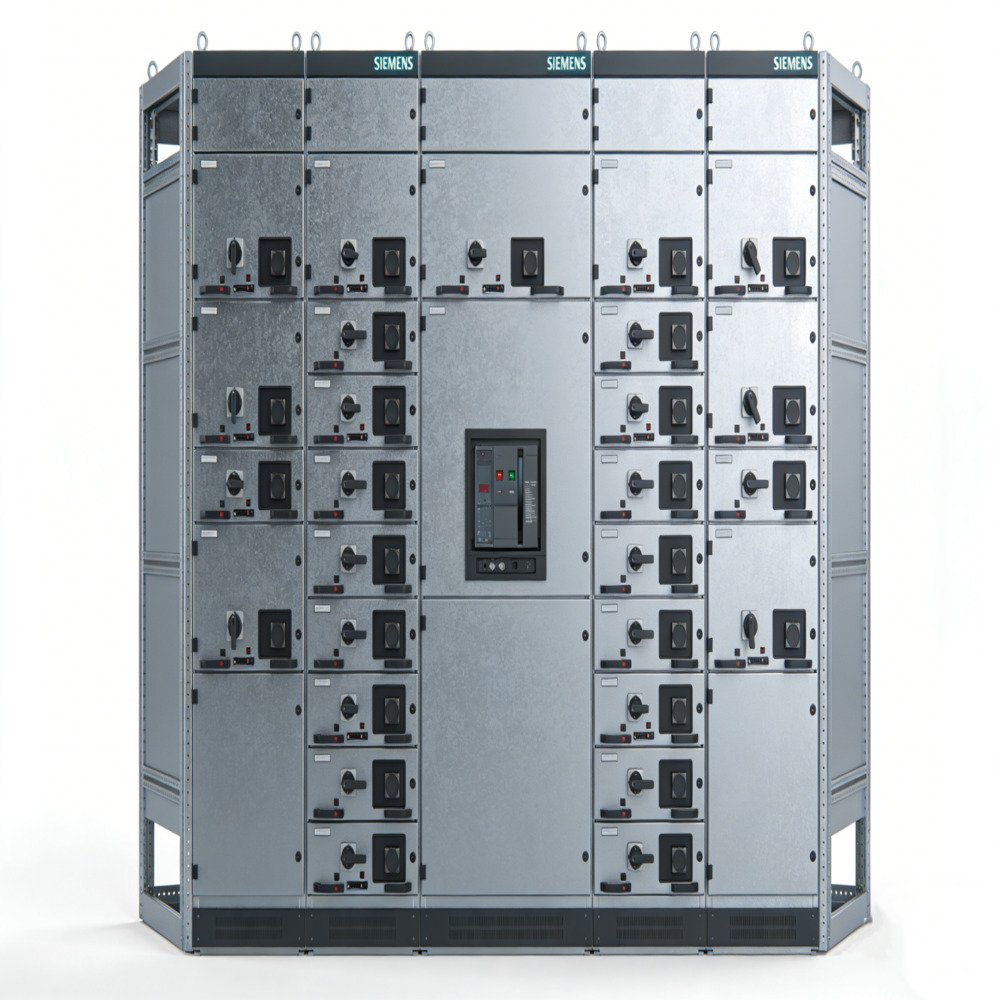
Cabinet (with IP2X or higher protection rating to shield against external interference), busbar system (core carrier for power transmission), functional units (core components such as circuit breakers and disconnectors), and secondary circuits (monitoring and control pathways).
Its operational logic revolves around three core functions: power distribution, control, and protection.
(1) First is the electrical power distribution stage. After being connected via the incoming switchgear, external power sources are transmitted through horizontal busbars to various feeder switchgear cabinets. From there, power is distributed via vertical busbars to end-use equipment such as motors and lighting systems.
The busbar system employs high-quality conductors and insulation design, capable of withstanding short-circuit current surges (up to 150kA for low-voltage switchgear) to ensure stable power transmission.
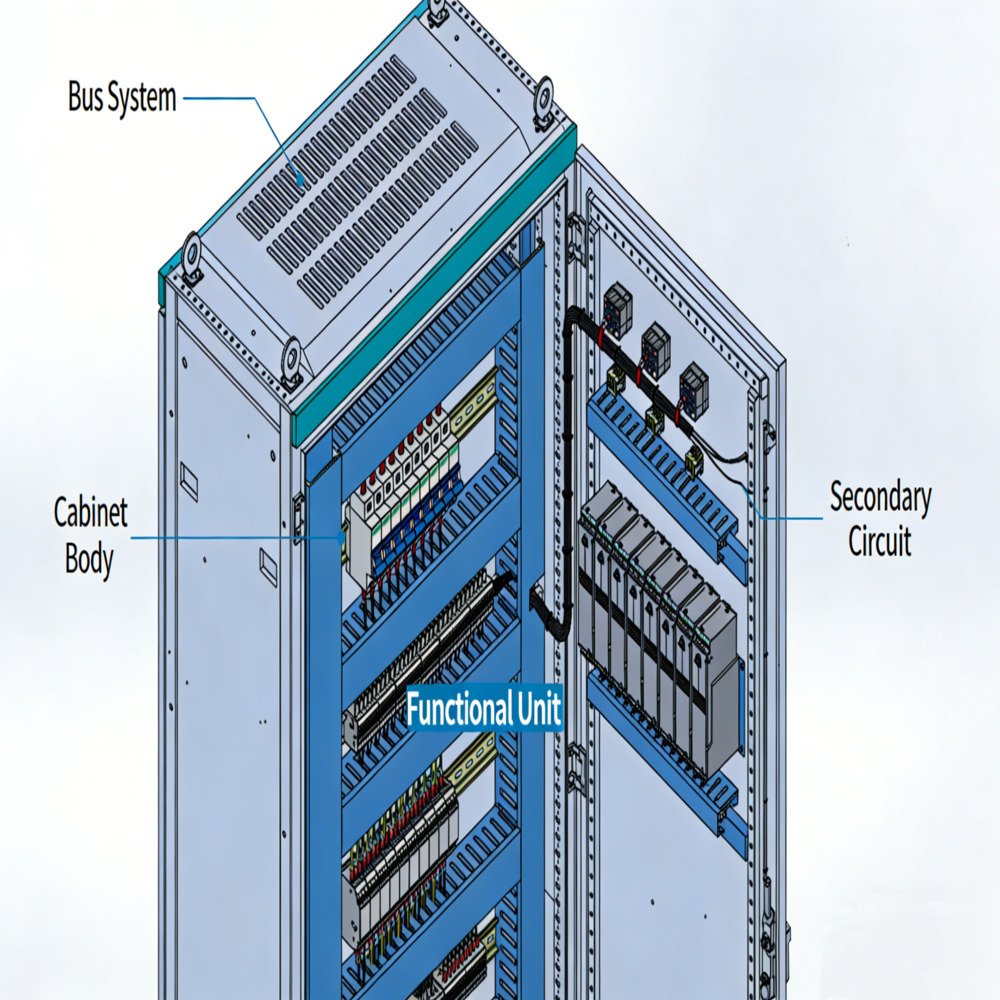
(2) Next are the control and monitoring functions. Measurement instruments in the secondary circuit (such as ammeters and voltmeters) continuously monitor parameters like current and voltage, while protective relays (e.g., the SIPROTEC series) constantly assess circuit status.
Operators can control circuit closing/opening via buttons and displays in the low-voltage room or remotely manage operations through smart modules.
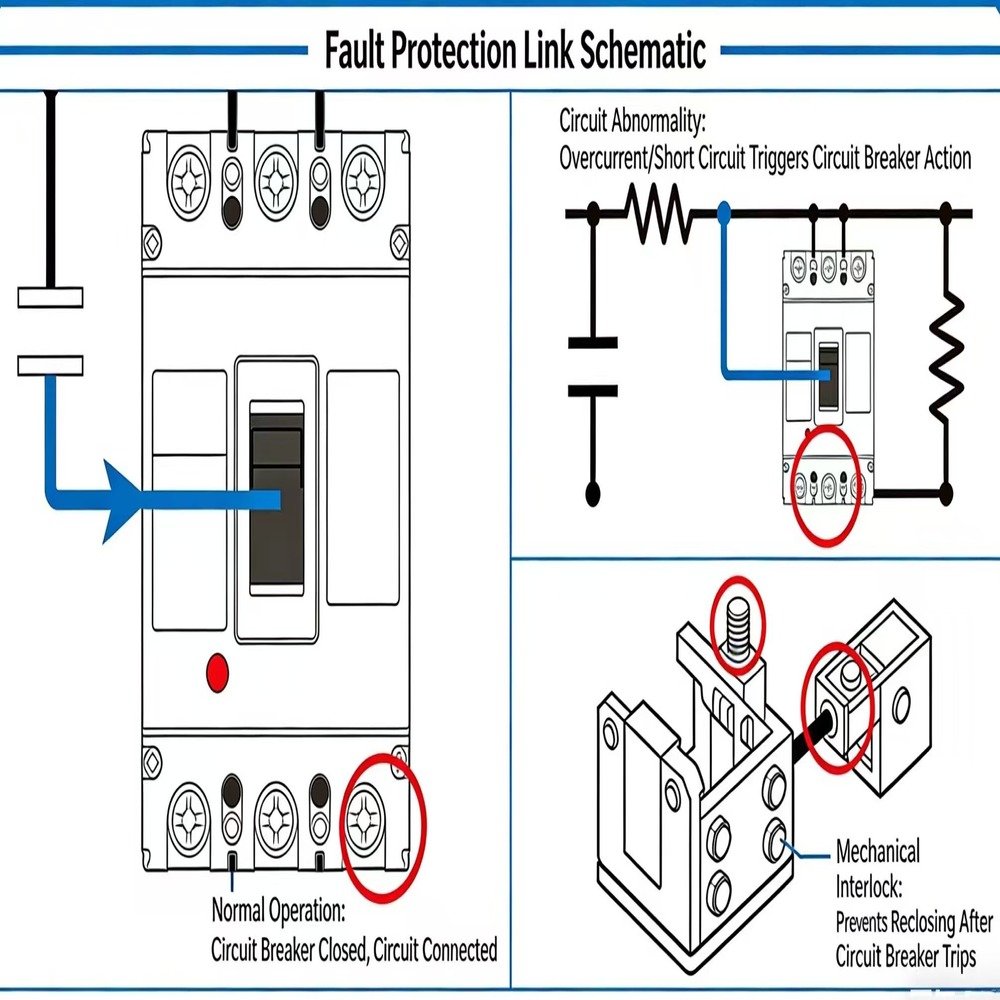
(3) The most critical component is the fault protection system. When circuit abnormalities such as overloads, short circuits, or leakage currents occur, the circuit breaker rapidly trips to interrupt the circuit—low-voltage switchgear employs molded-case/frame circuit breakers, while high-voltage switchgear achieves arc-free interruption through vacuum arc extinguishers.
Simultaneously, mechanical interlocking devices (such as the interlock between the three-position isolating switch and the circuit breaker in high-voltage switchgear) prevent misoperation, avoiding closing or opening under load to ensure personnel and equipment safety.
Professional Medium & High Voltage Electrical Equipment Manufacturer